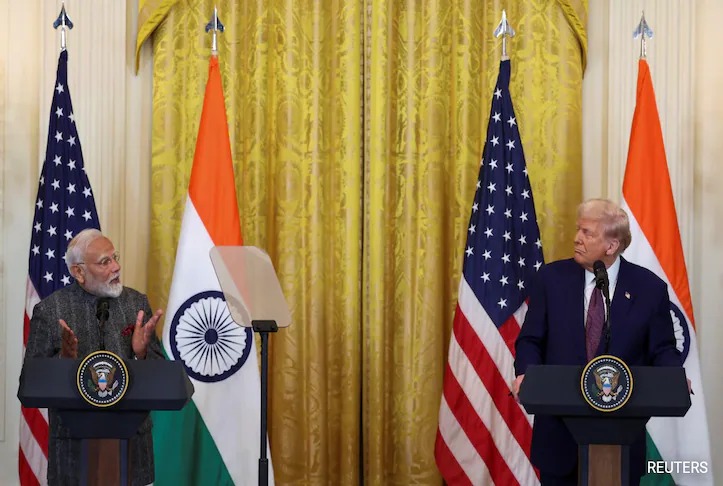
New Delhi: In a dramatic turn of events, US President Donald Trump has intensified his criticism of India’s trade policies, accusing the country of imposing “massive tariffs” that severely hinder American exports. Trump claims that India has finally agreed to reduce these tariffs, a move he attributes to his administration’s efforts to expose unfair trade practices. This development highlights the ongoing trade tensions between the US and India, which have significant implications for global trade policies.
Trump has consistently criticized India for its high tariffs, which he believes are a major obstacle to trade between the two nations. He has reiterated that India charges “massive tariffs,” making it nearly impossible for American products to penetrate the Indian market. According to Trump, India has agreed to cut its tariffs significantly after being exposed for their restrictive trade practices. This concession comes as the US prepares to implement reciprocal tariffs starting April 2, a policy aimed at countering what Trump perceives as unfair trade practices by several countries, including India.
Trump has been vocal about the unfair trade practices of various nations, emphasizing that countries like India, China, and Brazil impose tariffs much higher than those levied by the US. Specifically, India’s auto tariffs exceed 100%, a figure Trump has repeatedly criticized as unfair. The US goods trade deficit with India increased by 5.4% in 2024, reaching $45.7 billion, further underscoring the need for trade reforms.
These developments occur amidst ongoing discussions on a bilateral trade agreement between the US and India. The proposed agreement aims to reduce both tariff and non-tariff barriers, enhancing market access and deepening supply chain integration between the two countries. As both nations navigate these complex trade negotiations, the outcome will significantly influence not only their bilateral relations but also the broader landscape of global trade.
Sorry, there was a YouTube error.