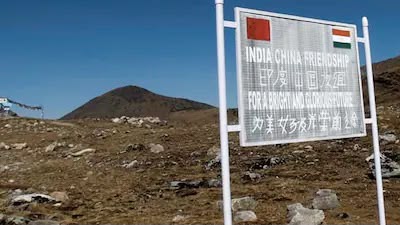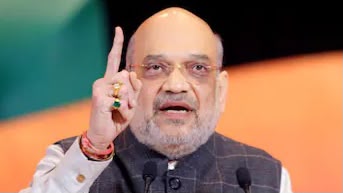
New Delhi: Around 40 villages located along the India-China border in Arunachal Pradesh have witnessed reverse migration, with residents returning to their native places following improvements in infrastructure and basic facilities, Union Home Minister Amit Shah said on Sunday.
Speaking at an event in Itanagar, Shah highlighted the impact of the Centre’s Vibrant Villages Programme (VVP), which aims to improve living conditions in remote border settlements and create sustainable livelihood opportunities for local communities.
He said improvements in road connectivity, healthcare, education, electricity, drinking water supply and employment opportunities had encouraged people to return to villages that had previously experienced population decline due to migration.
Shah also pointed to development projects worth more than Rs 5,610 crore in Arunachal Pradesh’s frontier areas, describing the investments as significant for the region’s development.
Under the Vibrant Villages Programme, 199 projects worth Rs 110.95 crore are scheduled to be undertaken across 11 border districts. The initiatives are aimed at strengthening essential infrastructure and improving access to public services in remote communities.
During the event, Shah also launched Mission SURAKSHA, adding another initiative to the Centre’s development efforts in the state.
Emphasising the strategic importance of border settlements, the Home Minister said villages along the international frontier were closely linked to India’s security and development priorities. He stressed that ensuring better living conditions and creating economic opportunities were essential to retaining populations in these areas.
Shah also acknowledged the contribution of the Indian Army and the Indo-Tibetan Border Police (ITBP) in supporting local communities, particularly farmers. Security personnel have been assisting residents in improving agricultural production and accessing markets.
He added that the purchase of locally produced agricultural goods by security forces was helping generate income for villagers and strengthen the rural economy.
The reverse migration reported in these villages highlights the importance of infrastructure development and economic opportunities in sustaining communities along India’s remote border regions.