Team Goemkarponn
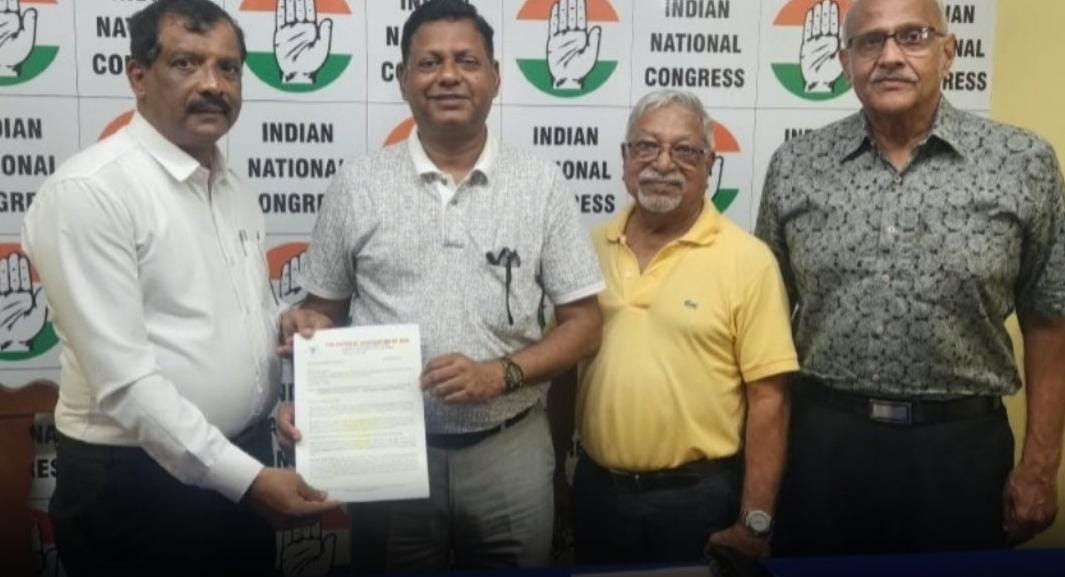
MARGAO: The Catholic Association of Goa (CAG) has urged the Joint Parliamentary Committee (JPC) to recommend the withdrawal of the Foreign Contribution (Regulation) Amendment Bill, 2026, raising concerns over its proposed powers, safeguards and possible impact on minority-run institutions.
In its memorandum to the JPC, the association said it was in favour of greater transparency, accountability and financial discipline in the use of foreign contributions. It also supported action against organisations found to be misusing such funds in ways that pose a genuine threat to national security.
However, CAG president Cyril Fernandes said the proposed amendments went beyond these objectives and could create serious constitutional and administrative concerns. He said the association’s position was based on its earlier representations to the President, Prime Minister and Union Home Minister.
The CAG has particularly objected to provisions relating to the permanent transfer of assets, the proposed role of a “Designated Authority”, removal of existing safeguards, immunity for officials and retrospective application of the law.
Fernandes said these provisions could give the authorities excessive powers and have a disproportionate effect on institutions involved in education, healthcare and social welfare, particularly those run by minority communities.
The association maintained that the concerns could not be resolved merely by making limited changes to the Bill. It argued that the proposed asset-related powers and immunity provisions require a fundamental reconsideration of the legislation.
The CAG has therefore asked the JPC to recommend complete withdrawal of the Bill, citing concerns over constitutional rights, due process, administrative powers and the protection of institutions serving communities in Goa and elsewhere.
Fernandes also said the association was prepared to appear before the parliamentary panel and present its concerns in person.
He said the CAG’s objective was not to oppose measures aimed at protecting national security, but to ensure that such measures are balanced with constitutional freedoms and the continued functioning of minority institutions providing education, healthcare and welfare services.