Team Goemkarponn
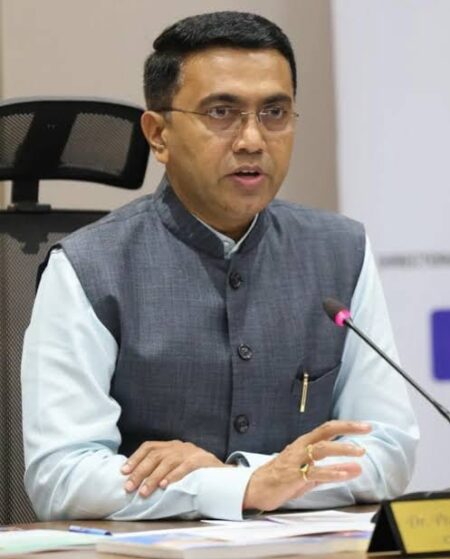
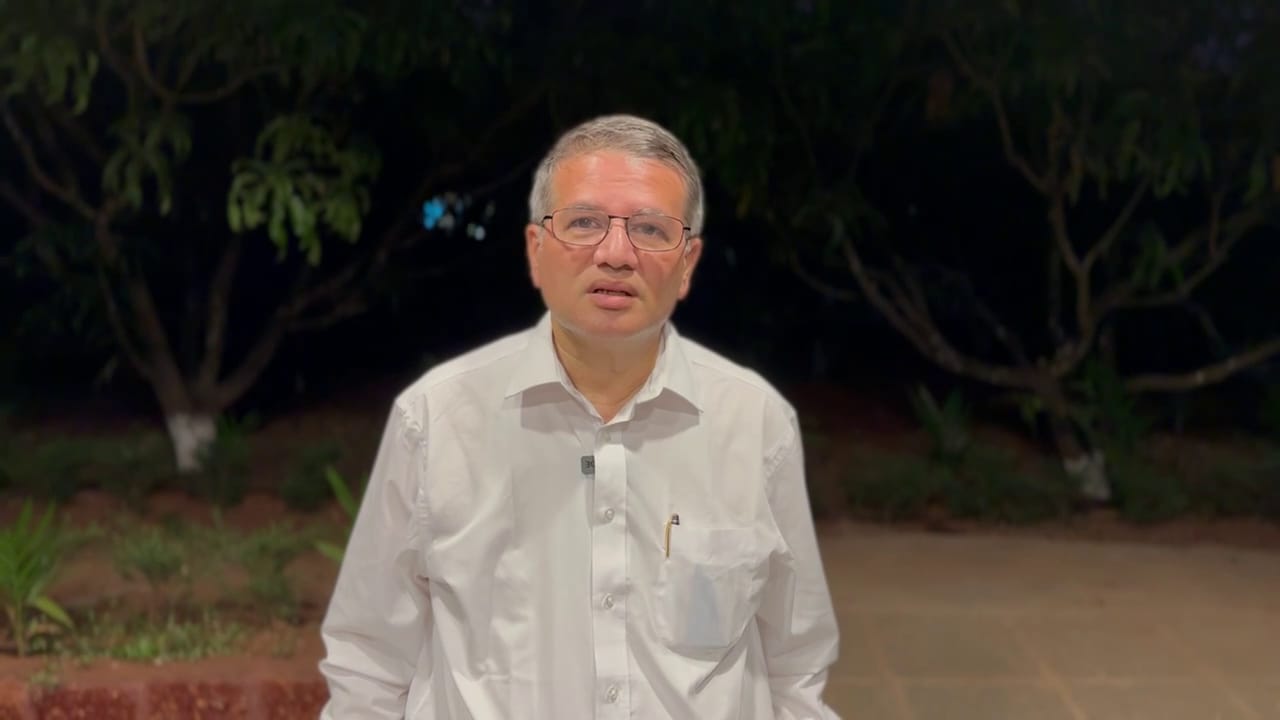
ALDONA: Congress MLA and advocate Carlos Alvares Ferreira on Monday alleged that the Election Commission of India’s latest measures, announced after the Commission faced allegations of wrongdoing, amounted to an “admission of guilt” rather than an explanation of the issues raised.
Reacting to the decisions announced following the meeting of the ECI’s Full Commission on September 26, Ferreira said the Commission had failed to address concerns relating to the Special Intensive Revision (SIR) exercises conducted so far.
He questioned the decision to introduce house-to-house visits during the ongoing SIR for voters who have received notices over unmapped records or logical discrepancies. Under the new process, officials will collect documents from such voters and upload them on ECINET for consideration by the Electoral Registration Officer (ERO).
“Why was this exercise not done during the Goa SIR?” Ferreira asked, alleging that voters in Goa were instead required to appear at Mamlatdar offices and produce documents, which he claimed resulted in people being discouraged from pursuing their claims.
Ferreira further alleged that the exercise had shifted from being “inclusive” to “exclusive”, claiming that people from particular religious communities and localities were disproportionately affected. These allegations remain claims made by Ferreira.
He also raised concerns about the impact of deletion of names from electoral rolls, arguing that the absence of an election card could affect access to certain government services and benefits.
Questioning the ECI’s direction to District Election Officers to establish adequate help desks and special camps for people living in night shelters, labourers, poor people and homeless persons, Ferreira said many such individuals may not possess the documents required to establish their eligibility.
Questions over voter forms
Ferreira also questioned the ECI’s decision to revert to the earlier Form 6 during non-SIR periods. He argued that the older form was prescribed under the Registration of Electors Rules, 1960, while alleging that the current form had been introduced without adequate legislative authorisation.
“By this they admit that they changed the forms unilaterally and without the necessary legislative authorization,” he said.
The ECI has also announced that a committee headed by a Senior Deputy Election Commissioner, with an independent expert from an IIT or IIIT, will review ECINET and examine whether the system complies with the relevant Acts and Rules.
Ferreira questioned the functioning of the software system, alleging that statutory officers in Goa had encountered instances where orders directing inclusion of names in electoral rolls were not implemented.
He said that where an electoral authority has already passed an order for inclusion, a person whose name has been wrongly removed should seek execution of that order rather than being required to submit a fresh application.
Demand for accountability
Ferreira also criticised the Commission’s internal functioning, alleging that meetings of the Full Commission had been held without agendas being circulated to the commissioners in advance.
The ECI has said that agendas will be circulated beforehand and that minutes of meetings will be issued.
“Does this not mean that up to now no agenda was being issued ahead of a meeting of the full commission?” Ferreira asked.
He concluded by calling for accountability at the top of the Commission, saying that Chief Election Commissioner Gyanesh Kumar should resign and that the other two Election Commissioners should also be held accountable for what he described as their failure to act earlier.