Team Goemkarponn
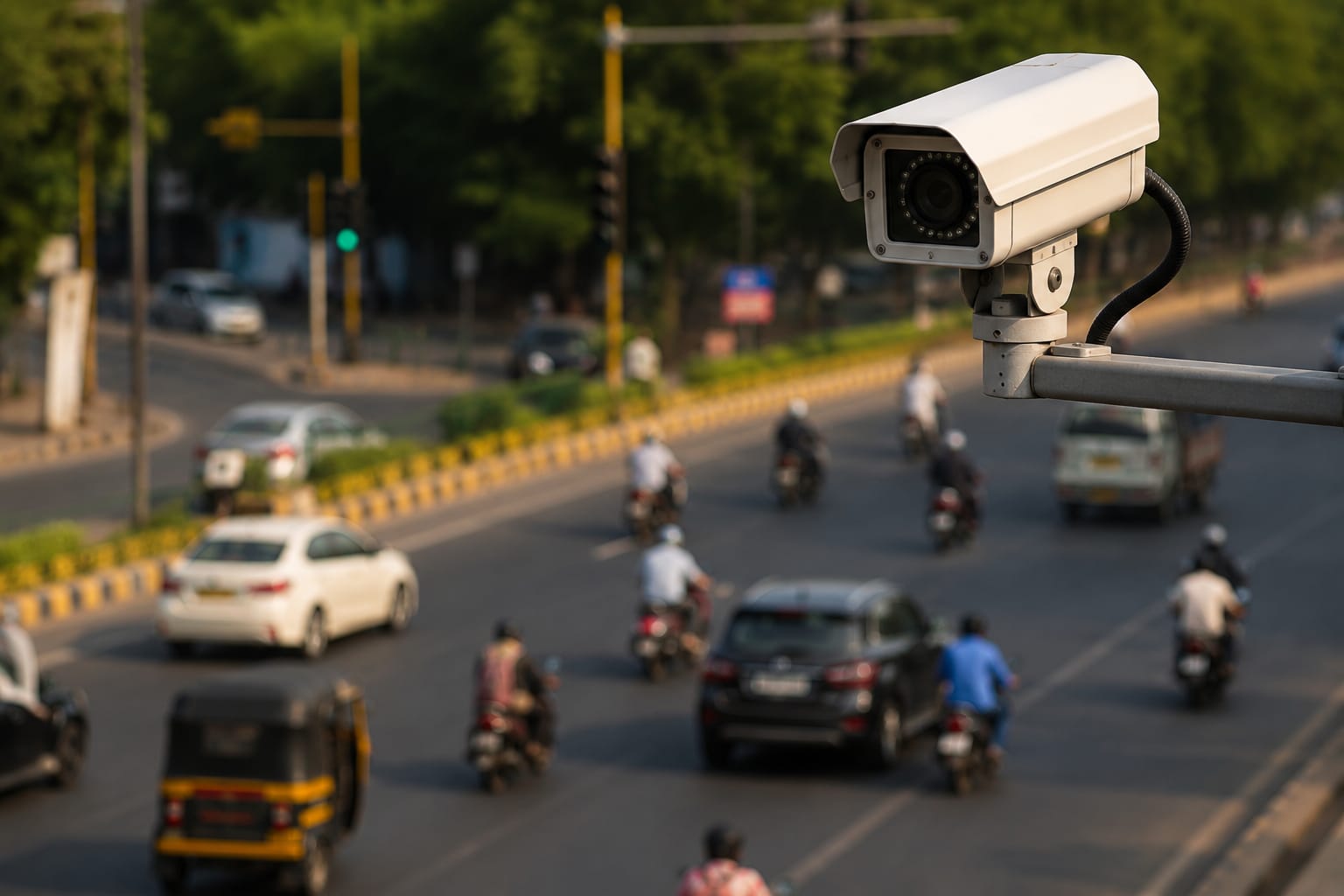
MARGAO: Goa is set to introduce an artificial intelligence-driven traffic surveillance system from July 15, ushering in automated enforcement of key traffic rules across the State. The rollout will begin with monitoring nine major traffic violations, while checks for High Security Registration Plates (HSRPs) will be added in a later phase.
Officials from the South Assistant Director of Transport (ADT) office said the AI-enabled cameras will identify offences such as driving while using a mobile phone, riding without a helmet, driving without a seat belt, overspeeding, dangerous overtaking, driving on the wrong side, illegal parking or stopping, failing to give way to ambulances and fire service vehicles, carrying more pillion riders than permitted, transporting passengers in goods vehicles, and using fancy or unauthorised number plates.
While HSRP violations will not be enforced immediately, officials confirmed that they remain part of the project and will be incorporated into the system after the initial rollout.
According to transport officials, the first phase has been designed to focus on violations that have a direct impact on road safety and accident prevention. They reiterated that HSRPs continue to be mandatory under existing regulations despite not being included in the first phase.
Every offence detected by the AI cameras will be backed by photographic and/or video evidence, which will form part of the electronic challan generated by the system.
The platform has also been integrated with the Central government’s VAHAN database, allowing it to instantly verify vehicle-related records. This means that if a vehicle is flagged for one violation, the system can simultaneously check for expired insurance or other statutory lapses and include them in the same challan.
Officials believe this integrated digital mechanism will minimise manual intervention, improve transparency and make enforcement more effective against habitual traffic offenders.
Apart from issuing challans, the AI-powered network will also support traffic management by automatically adjusting signal timings based on traffic volume at major junctions.
Under the revised enforcement system, motorists caught using a mobile phone while driving will face a fine of ₹1,000 for the first offence and ₹10,000 for repeat violations. Riding without a helmet or driving without wearing a seat belt will each attract a penalty of ₹1,000.
Overspeeding will invite a fine of ₹1,000 for light motor vehicles and ₹2,000 for other categories of vehicles, with repeat offences attracting penalties of up to ₹10,000. Failing to give way to ambulances or fire service vehicles will carry a fine of ₹10,000.
As per the standard operating procedure, motorists will receive an SMS informing them of the violation within three days, while a physical copy of the challan will be delivered within 15 days. Although the system generates the challan immediately after an offence is detected, vehicle owners will have 45 days to either pay the penalty or challenge the notice through the online portal.