New Delhi: The National Capital Region is undergoing a dramatic transformation as a network of new expressways, rapid rail systems and metro expansions significantly reduces travel time between Delhi and surrounding cities. Areas that once felt distant are now connected within a 90 minute travel radius, reshaping patterns of development, investment and economic activity across the region.
Cities and towns such as Meerut, Ghaziabad, Faridabad, Sohna, Baghpat and Alwar are rapidly emerging as growth centres as improved connectivity attracts residential projects, industries, logistics hubs and tourism related investments.
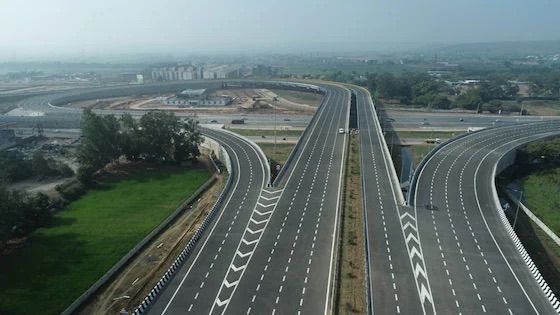
Among the major infrastructure projects driving this shift is the Dwarka Expressway, which has become one of NCR’s fastest growing residential corridors. Property values along the stretch have reportedly tripled over the last five years, reflecting strong investor confidence and rising housing demand.
The Delhi Mumbai Expressway and Urban Extension Road II have further improved mobility towards destinations such as Alwar and Bhiwadi, while reducing travel congestion within Delhi itself. Faster road networks are also helping businesses by lowering logistics costs, improving delivery efficiency and boosting warehousing activity across industrial belts.
High speed rail connectivity has added another dimension to NCR’s changing geography. The operational Delhi Meerut RRTS has reduced travel time between Delhi and Meerut to under an hour, significantly increasing the attractiveness of residential and commercial developments in the corridor.
Authorities are now working on expanding rapid transit connectivity through a proposed 64 kilometre Namo Bharat corridor linking Gurugram, Faridabad, Noida and Greater Noida. Industry experts believe these projects are changing the way people live and work, allowing professionals to stay farther from Delhi while maintaining easy access to employment hubs.
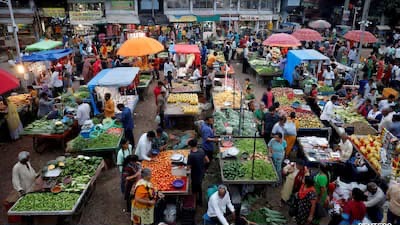
The connectivity boom is also benefiting agriculture and tourism. Faster transport routes are reducing spoilage of perishable farm produce, while rising accessibility has boosted weekend tourism, farm stays and hospitality ventures in nearby regions.
While concerns remain over environmental pressure and unplanned urban growth, the expanding transport network is steadily transforming NCR into a more integrated economic region where travel time, rather than distance, now defines opportunity and development.