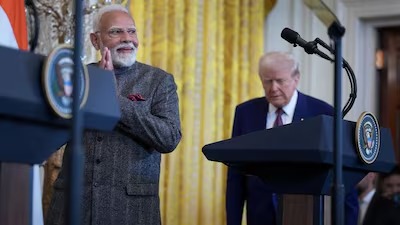
New Delhi: India has decided against rushing into an interim trade agreement with the United States, signalling that it is prepared to wait rather than accept a deal that does not adequately safeguard its national interests.
Despite months of negotiations and expectations of a breakthrough during the recent visit of US Trade Representative Jamieson Greer to New Delhi, both countries remained divided on several key issues, preventing an agreement from being finalised.
India has maintained a firm stance on its core demands, including preferential tariff treatment over competing exporters, protection against future tariff hikes and safeguarding politically sensitive sectors such as agriculture. The government has made it clear that it will not compromise on these priorities simply to conclude a quick agreement.
Commerce and Industry Minister Piyush Goyal has also indicated that any trade pact with the United States will move forward only if it delivers clear advantages for India.
Although the US is expected to introduce higher tariffs on several imports later this month, Indian officials believe the country’s improving economic position provides greater flexibility during negotiations. India’s exports recorded strong growth during the April to June quarter, supported by rising petroleum shipments and recovering trade with Gulf nations, while exports to the United States also increased.
At the same time, India has diversified its trade opportunities by advancing agreements with other major partners. The India UK Free Trade Agreement is expected to come into force this month, while negotiations for a trade pact with the European Union continue to make steady progress.
A stronger economic outlook has further reinforced India’s confidence. Lower concerns over global oil prices, improved growth projections and easing inflation have strengthened the country’s bargaining position.
Officials and trade experts also believe that some proposed US tariff measures could face legal and political challenges, reducing the pressure on New Delhi to reach an immediate settlement.
With its economy remaining resilient and alternative trade partnerships expanding, India appears determined to secure favourable terms rather than conclude a hurried agreement that could have long term economic consequences.
Sorry, there was a YouTube error.