New Delhi: India’s cooking gas system has undergone a major overhaul with new LPG regulations coming into effect from May 1, 2026. Introduced by the Ministry of Petroleum and Natural Gas, the changes aim to streamline distribution, curb misuse, and ensure better targeting of subsidies during a period of global energy uncertainty.
A key reform is the ban on households holding both LPG and piped natural gas connections. Authorities have begun identifying such consumers, requiring them to surrender their LPG connections if they already have access to PNG. This move is intended to prioritise LPG availability for households without piped gas access and to support the expansion of city gas networks. Tens of thousands of users have already complied, with more expected to follow.
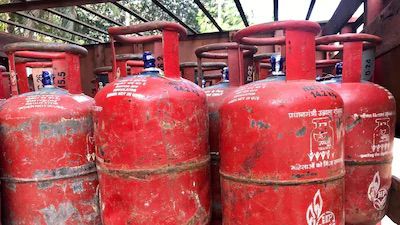
New delivery and booking rules have also been introduced, affecting customers of Indane, Bharat Gas, and HP Gas. Consumers will now need to authenticate deliveries using a one-time password, adding an extra layer of verification. In addition, the minimum gap between cylinder bookings has been increased to 25 days in urban areas and up to 45 days in rural regions. Updated KYC compliance has also been made mandatory.
On the pricing front, commercial LPG cylinders have seen sharp increases over recent months. Since March, multiple revisions have significantly raised the cost of 19 kg cylinders, with cumulative hikes nearing ₹1,000 amid rising global fuel prices.
However, domestic LPG rates have been kept unchanged. The price of a standard 14.2 kg household cylinder remains steady, while petrol and diesel rates have also not been altered.
The changes come against the backdrop of geopolitical tensions in West Asia, which have disrupted global energy supply chains and driven up costs. Despite these challenges, the government has stated that supply of LPG, piped gas, and CNG across the country remains stable and uninterrupted.