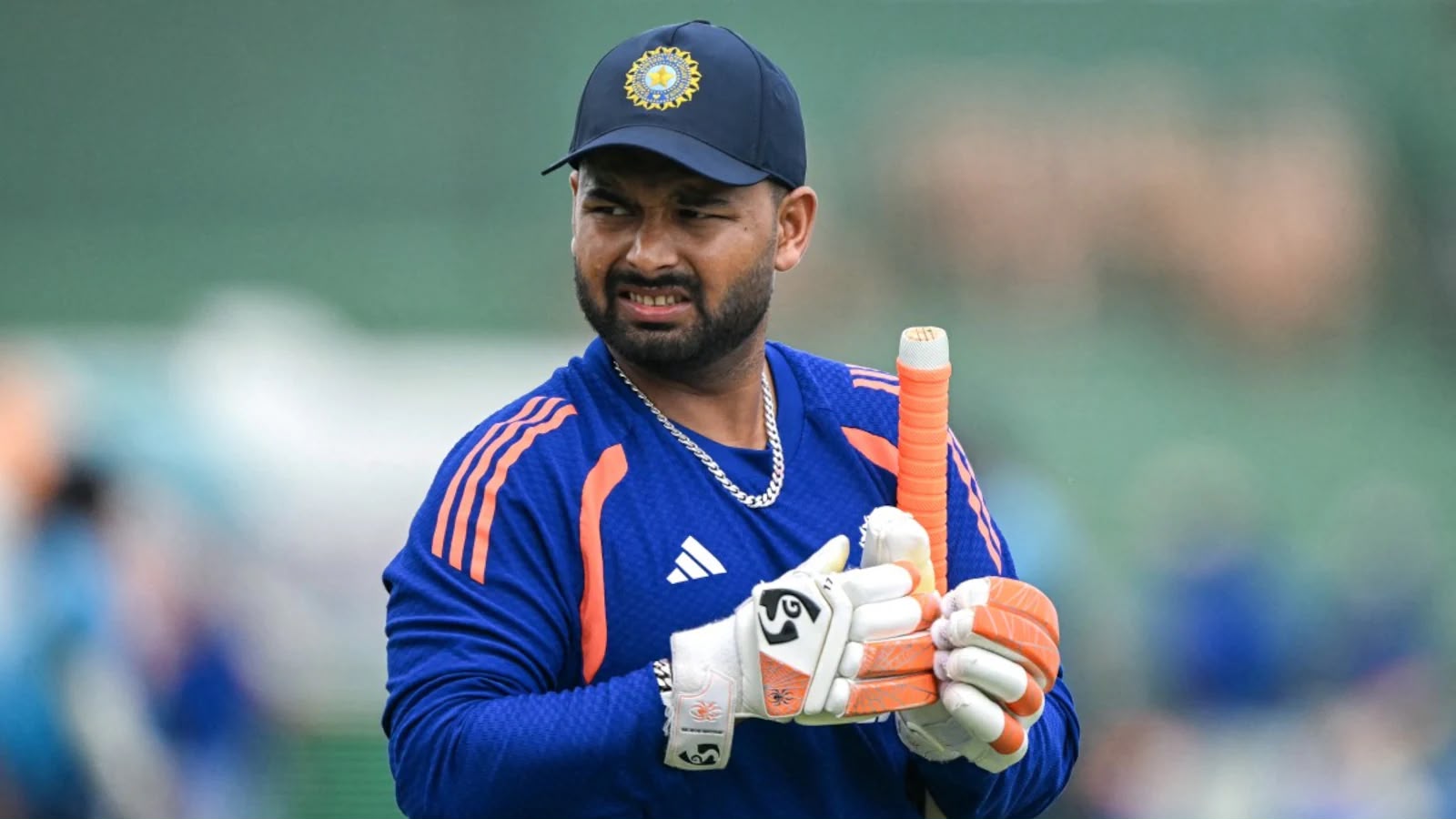
New Delhi: Rishabh Pant’s position in Indian cricket has weakened in limited-overs formats, with the wicketkeeper-batter currently outside the reckoning for the ODI and T20I teams. While he remains a key option in Test cricket, his prospects in white-ball cricket have diminished amid inconsistent performances and increasing competition for places.
With India preparing for next year’s ODI World Cup, Pant faces a difficult challenge to regain his position in the limited-overs setup. His aggressive approach has delivered memorable performances, particularly in Test cricket, but his risky shot selection has often resulted in dismissals at crucial moments in ODIs and T20Is.
Former India head coach Ravi Shastri, however, believes Pant does not need to abandon his natural style. Instead, he wants the batter to improve his awareness of match situations and make smarter decisions at the crease.
Shastri said his advice to Pant had always been simple: “Be smart.” He believes Pant possesses immense ability and should continue playing his natural game while remaining conscious of what the team requires in different situations.
Pant’s declining standing in white-ball cricket has also coincided with growing competition for wicketkeeper-batter positions in the Indian team. KL Rahul, Ishan Kishan and Sanju Samson have emerged as alternatives, making consistency and adaptability increasingly important for anyone seeking a regular place in the side.
In limited-overs cricket, batters must balance aggression with the need to build an innings according to the match situation. Pant has occasionally struggled to maintain that balance, losing his wicket while attempting high-risk shots when a more measured approach could have benefited the team.
With major tournaments approaching, Pant will need to demonstrate greater consistency and decision-making without losing the attacking instincts that make him a dangerous batter. Shastri’s message underlines the importance of retaining his strengths while becoming more aware of when to attack and when to exercise restraint.