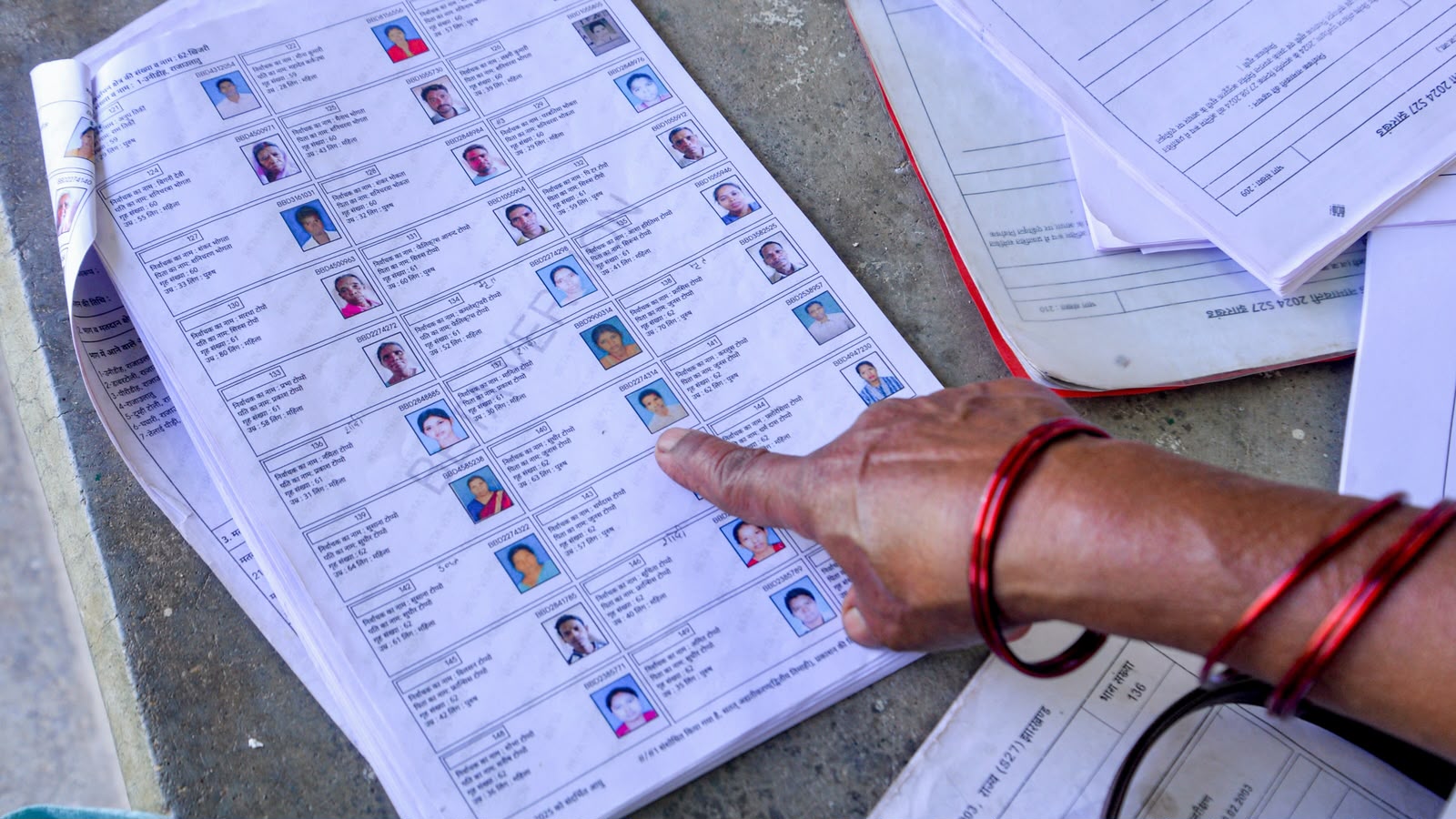
New Delhi: West Bengal’s ongoing Special Intensive Revision of electoral rolls has brought renewed attention to what happens when a voter’s name is excluded and the subsequent appeal takes years to resolve.
According to figures submitted by the Election Commission, 1,26,194 appeals were decided by appellate tribunals in the five months after they began functioning in mid April. However, 37,05,235 appeals were still pending as of September 16. At the current disposal rate, clearing the existing backlog could take around 146 months, or more than 12 years.
The issue has raised an important question: can a person whose appeal is pending still vote?
A pending appeal does not automatically restore a person’s name to the electoral roll. If a name has been deleted or excluded, the voter must challenge the decision before the appropriate authority. Unless the appeal is allowed or specific interim relief is granted, the person remains off the electoral roll and cannot vote in an election held during that period.
If an appeal is allowed before the relevant polling deadline, the voter’s name can be restored through the applicable electoral roll process, including supplementary lists where permitted.
The scale of the backlog has also highlighted capacity concerns. West Bengal currently has 24 appellate tribunals, while the Election Commission has proposed increasing the number to 42. It has also sought arrangements allowing judicial officers to work remotely in an effort to reduce delays.
Of the 38,31,429 appeals filed, 22,21,118 involve requests to restore excluded or deleted names, while 16,10,311 challenge the inclusion of names.
So far, 1,13,943 voters have had their names restored after their appeals were decided, while 8,649 appeals were rejected. These figures apply only to cases already decided and do not establish the likely outcome of the remaining appeals.
The legal concern is particularly significant because an eventual restoration cannot normally bring back an electoral opportunity that has already passed. A voter who was legally entitled to participate but remained excluded while an appeal was pending could therefore miss an election even if the case is later decided in their favour.
Karnataka is now facing a different stage of the SIR process, with voters dealing with notices, verification and applications for inclusion. Its final electoral roll is scheduled for October 27, making the speed of the verification process particularly significant for those seeking to resolve discrepancies before the deadline.