Team Goemkarponn
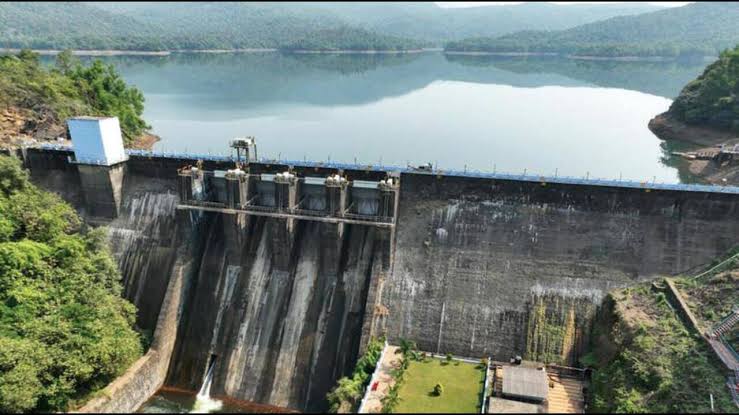
SATTARI: With water storage at the Anjunem Reservoir falling below 15 per cent of its capacity, concerns are mounting over the quality of drinking water supplied to Sattari, Bicholim and neighbouring areas, prompting calls for enhanced monitoring and greater transparency from authorities.
In recent weeks, several residents have complained that tap water appears greenish, carries an unpleasant odour and has an unusual taste. The complaints have grown as the reservoir’s water levels continue to decline.
According to water quality specialists, shrinking reservoir volumes can significantly affect the condition of stored water. As water levels fall, sediments and organic matter become more concentrated, while dissolved oxygen levels may decrease. These conditions can encourage the growth of algae and other microorganisms, leading to noticeable changes in water quality.
Experts explain that when a reservoir approaches its lowest storage levels, materials settled at the bottom—including silt, decomposed organic matter and other impurities—can mix with the remaining water. This increases the challenge of producing safe drinking water without effective treatment and continuous monitoring.
Scientists also warn that deteriorating water quality can create favourable conditions for harmful bacteria and algae. Certain species of algae are capable of producing toxins that may pose risks to human health if not adequately removed during the treatment process.
Possible health effects associated with contaminated water include gastrointestinal illnesses, skin problems, eye irritation and fever. Young children, elderly citizens and individuals with weakened immune systems are considered particularly vulnerable.
Residents have urged authorities to conduct regular testing of water supplied from the reservoir and make the findings publicly available. They have also demanded detailed information on bacterial contamination, algae growth and compliance with national drinking water quality standards.
Experts believe the situation highlights the need for stronger long-term water management strategies, including improved storage facilities, identification of supplementary water sources, monitoring of sediment accumulation and enhanced water conservation measures.
They have further called for closer coordination among departments responsible for water storage and distribution to ensure timely corrective action. Stakeholders say regular scientific assessments, transparent reporting and prompt intervention will be essential to maintaining safe drinking water supplies and protecting public health in the region.