Team Goemkarponn
PANAJI: In a significant environmental initiative, the Goa government has announced plans to restore approximately 18,000 hectares of khazan land, marking one of the largest ecosystem revival projects undertaken in the state in recent years.
Chief Minister Pramod Sawant said the government has already entered into an agreement with experts to facilitate the restoration of the centuries-old khazan system, which has historically served as an integrated network for agriculture, water management, fisheries and flood control in Goa’s coastal belt.
The announcement comes amid growing concerns over the degradation of khazan lands due to changing land-use patterns, neglect, salinity ingress and increasing environmental pressures. The restoration effort is expected to focus on reviving the ecological and economic functions of these landscapes while preserving a vital part of Goa’s environmental heritage.
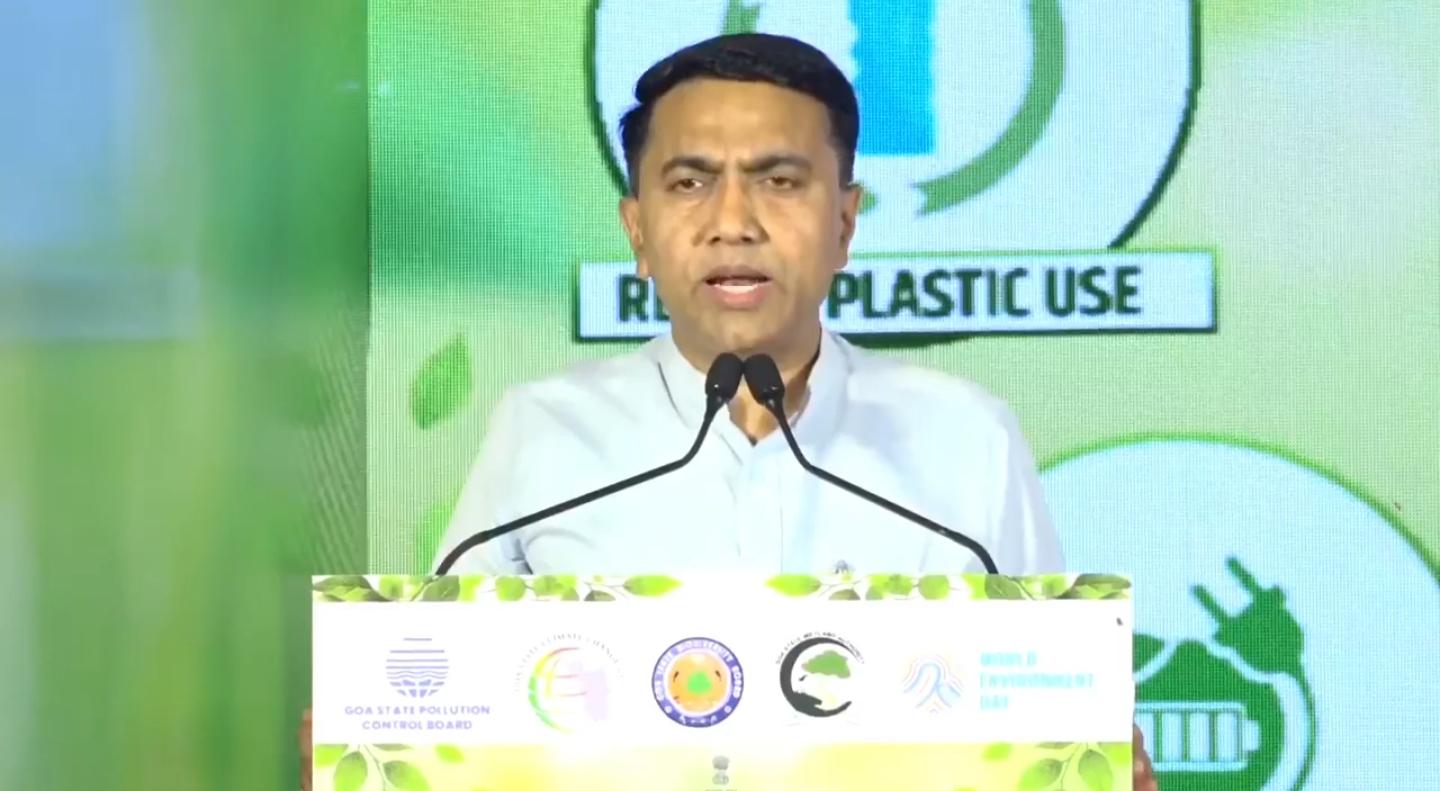
Addressing the launch of the Clean Goa, Green Goa campaign, Sawant said the initiative forms part of the state’s broader commitment to environmental sustainability and natural resource conservation. He noted that Goa continues to maintain one of the highest proportions of forest cover in the country, with nearly 61 per cent of its geographical area under forests.
Environmental experts have long highlighted the importance of khazan lands in mitigating floods, regulating water flow, supporting biodiversity and sustaining traditional livelihoods. Their revival is expected to improve climate resilience in vulnerable coastal areas while enhancing agricultural productivity and ecological balance.
The proposed restoration programme is likely to involve scientific assessment, rehabilitation of embankments and sluice gate systems, and the adoption of sustainable management practices to ensure the long-term viability of the ecosystem.
The government’s announcement signals a renewed focus on ecosystem-based conservation at a time when climate adaptation and sustainable land management have become central policy concerns across coastal regions.