Team Goemkarponn
PANAJI: A delayed arrival of the southwest monsoon coupled with persistent high temperatures has led to a significant reduction in water reserves across Goa’s major reservoirs, raising fresh concerns about the state’s drinking water availability if rainfall does not commence soon.
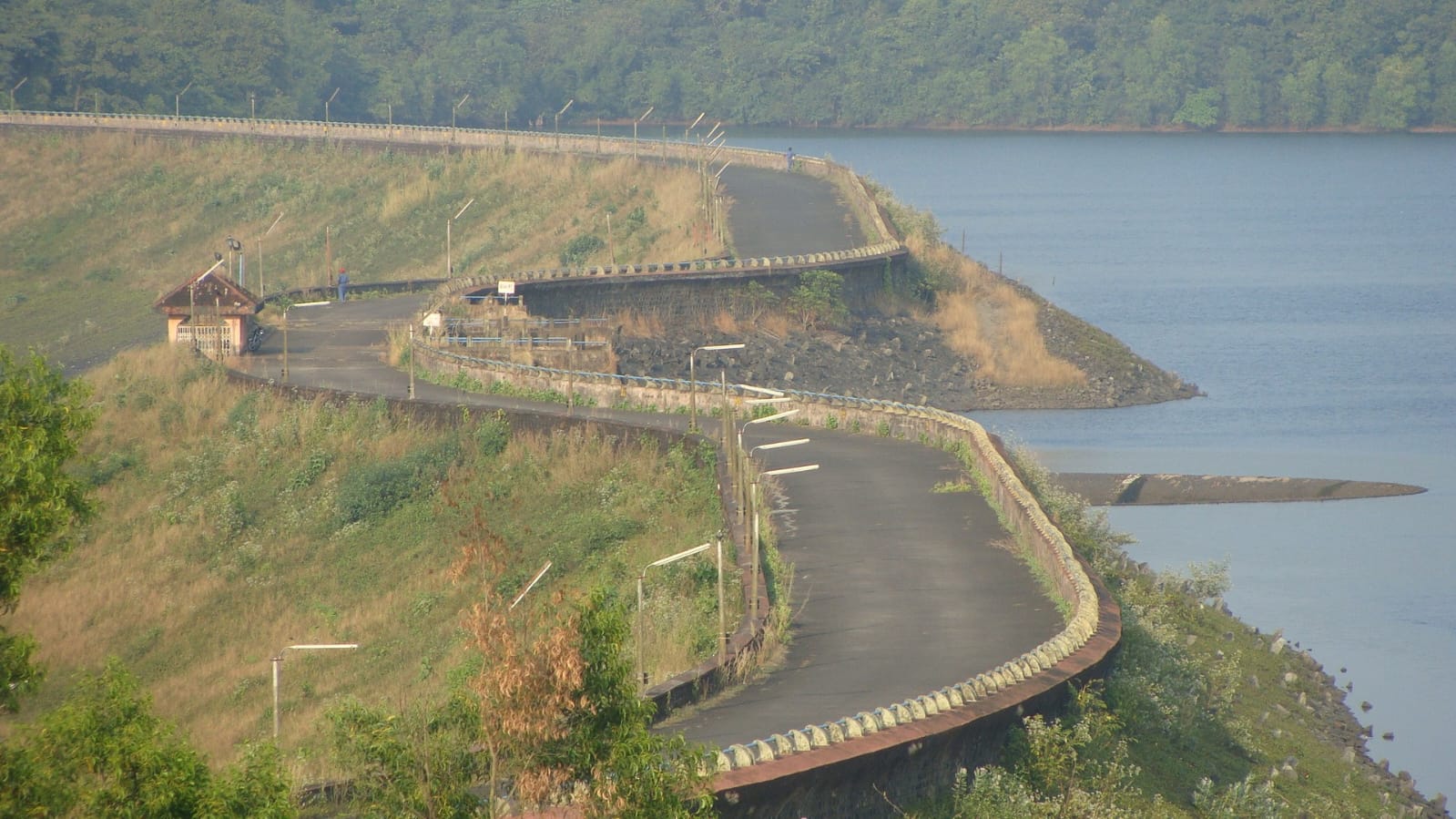
The most critical situation has emerged at Anjunem dam, where water storage has fallen to nearly 14 per cent of its capacity. The reservoir plays a vital role in supplying drinking water to Sattari and Bicholim, prompting authorities to closely monitor the situation.
Official data indicates that several other reservoirs have also recorded substantial declines. Selaulim, the state’s largest drinking water source serving much of South Goa, is currently operating at less than one-third of its storage capacity. Tillari, which supports water distribution in parts of North Goa, has also witnessed a notable drop.
Water levels at Panchwadi have reduced considerably, while Chapoli and Gaunem reservoirs are maintaining comparatively healthier reserves. Among the major dams, Amthane remains in the strongest position, retaining more than half of its storage capacity and continuing to support water supply to Bardez, Pernem and surrounding areas.
The falling reservoir levels come at a time when water consumption remains high due to prolonged summer conditions. Officials fear that a further delay in rainfall could increase pressure on the state’s water distribution network and complicate supply management.
Concerns have already surfaced in parts of Bardez, where residents have reported fluctuations in water supply, including lower pressure and reduced availability during certain periods.
Authorities, however, clarified that the recent disruptions in Bardez are primarily linked to post-maintenance adjustments at the Assonora Water Treatment Plant. According to officials, the system is currently undergoing stabilisation and normal supply is expected to resume shortly.
Government departments are conducting daily assessments of reservoir levels as weather conditions remain uncertain. The combination of declining water reserves, rising demand and delayed rainfall has placed water management agencies on alert.
Officials remain hopeful that the onset of consistent monsoon showers will replenish reservoir stocks and ease concerns over drinking water availability across the state. Until then, authorities continue to closely track the situation and prepare for any contingency that may arise from an extended dry spell.