Team Goemkarponn
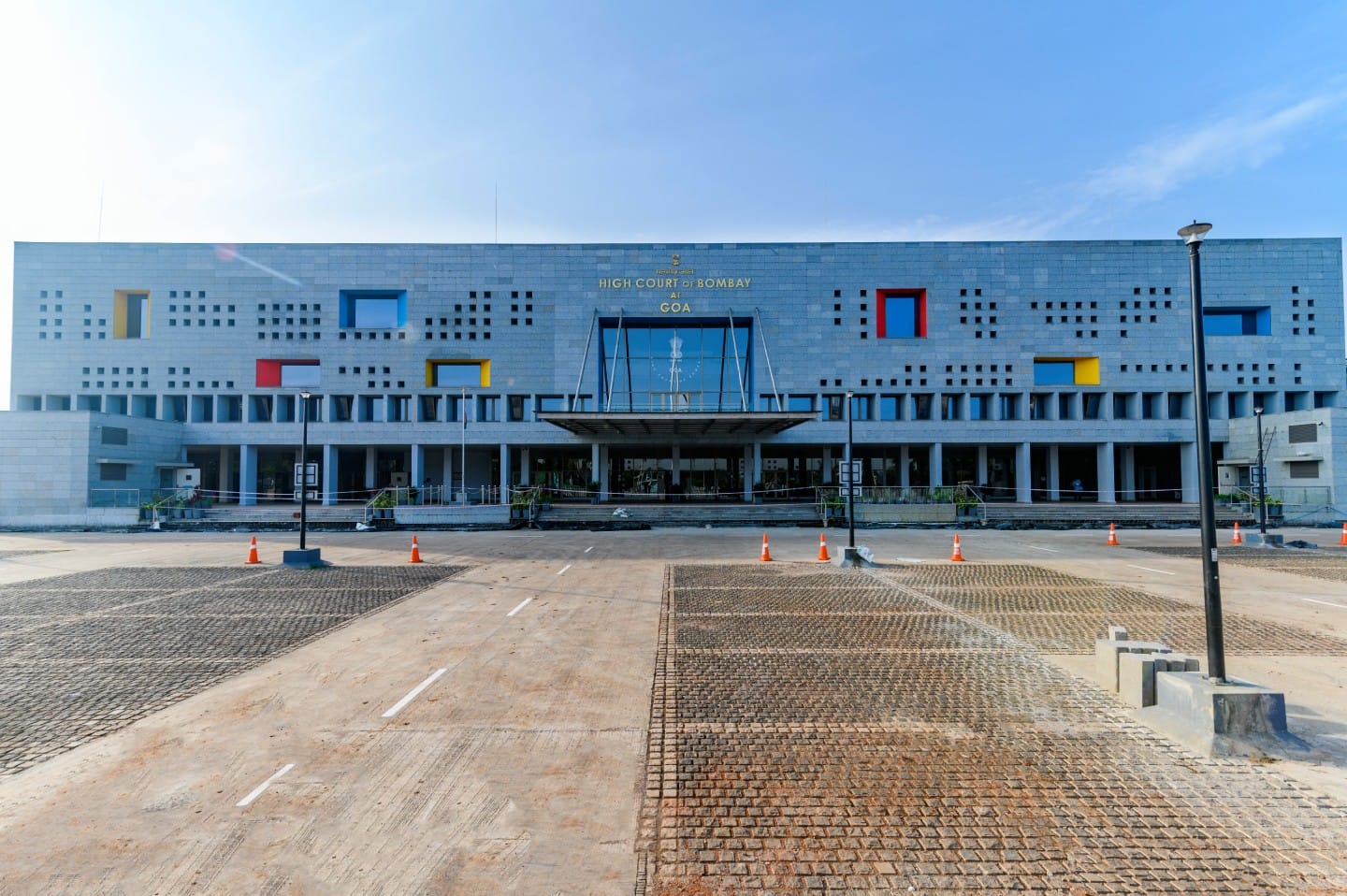
PANAJI: The Bombay High Court at Goa has permitted alleged drug accused David Driham, also known as Dudu, to remain on bail after finding that he had complied with the conditions of his release for over a year, despite declaring the original bail order passed by a Mapusa court legally unsustainable.
Delivering the order, Justice Neela Gokhale observed that Driham had cooperated with the Narcotics Control Bureau (NCB) during the investigation, regularly appeared before the trial court and had not violated the conditions of his release. The Court also noted that charges in the case have already been framed, reducing the need to place him back in custody.
Driham had initially obtained bail from the Judicial Magistrate First Class (JMFC), Mapusa, after the court accepted his contention that he had not been properly served with individual written grounds of arrest.
However, while examining the legality of that order, the High Court held that the Magistrate had failed to adequately consider the applicable statutory provisions and binding Supreme Court rulings before granting relief. It also noted that the earlier bail order did not prescribe any conditions and described as unusual the Magistrate’s separate communication directing police to release the accused immediately.
The High Court relied on a recent Supreme Court judgment to reiterate that the absence of separately supplied written grounds of arrest does not, by itself, make an arrest illegal unless the accused can demonstrate that it caused prejudice.
The Court further observed that documents on record indicated Driham had acknowledged the reasons for his arrest by signing the arrest memo in his own handwriting and had informed his driver about the arrest, suggesting he was aware of the basis of the action taken against him.
Although the High Court quashed the JMFC’s order on legal grounds, it declined the NCB’s request to cancel Driham’s liberty, noting that he had honoured the bail conditions throughout the past year and there were no allegations of witness intimidation or interference with the investigation.
The Court directed that Driham be released on a fresh personal recognisance bond of ₹20,000 with one or two sureties. It also imposed strict conditions, including a prohibition on leaving the country without prior permission from the trial court and a direction not to contact, influence or intimidate witnesses or any person connected with the case.