New Delhi: India has announced financial assistance of Nepali Rupees 560.2 million for the construction of 14 schools in earthquake affected regions of Nepal, reinforcing its continued support for the neighbouring country’s reconstruction and development efforts.
The agreements for the new school projects were signed between Nepal’s Central Level Project Implementation Unit Education under the Ministry of Education and Sports and Indian authorities. The initiative will cover eight districts that were among the worst affected during major earthquakes in recent years.
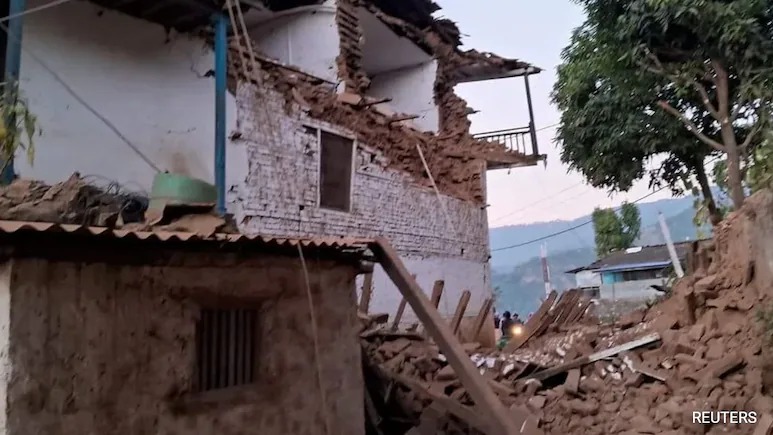
The schools are planned for Gorkha, Nuwakot, Dhading, Dolakha, Kathmandu, Kavrepalanchowk, Ramechhap and Sindhupalchok districts, all of which suffered extensive destruction during Nepal’s devastating 2015 earthquake that claimed nearly 9,000 lives and damaged large parts of the country’s infrastructure.
According to the Indian Embassy in Kathmandu, the schools will be built using earthquake resilient standards approved by the Government of Nepal. The projects will include modern academic blocks, furnished classrooms and separate sanitation facilities for boys and girls to improve educational infrastructure and student safety.
The initiative forms part of India’s broader commitment to Nepal’s post earthquake recovery programme. India has previously supported several reconstruction projects across the Himalayan nation, including the rebuilding of schools, health facilities and cultural heritage sites damaged during the disaster.
In January 2024, India completed and handed over 70 schools and the Tribhuvan University Central Library in Kathmandu under its post earthquake reconstruction assistance programme.
Indian authorities said the latest initiative reflects the close partnership between the two countries and their ongoing cooperation in areas of education, infrastructure and socio economic development. Officials also reiterated India’s commitment to continue supporting Nepal’s rebuilding process through long term development and reconstruction projects.
The new schools are expected to strengthen access to education in remote and disaster affected regions while also improving resilience against future natural calamities in one of the world’s most earthquake prone regions.
Sorry, there was a YouTube error.