New Delhi: India has urged the United Nations human rights office to clarify when it will publish a report on Pakistan’s response to concerns over the human rights situation in Pakistan occupied Kashmir (PoK), including investigations into deaths during protests, internet restrictions and the detention of political leaders.
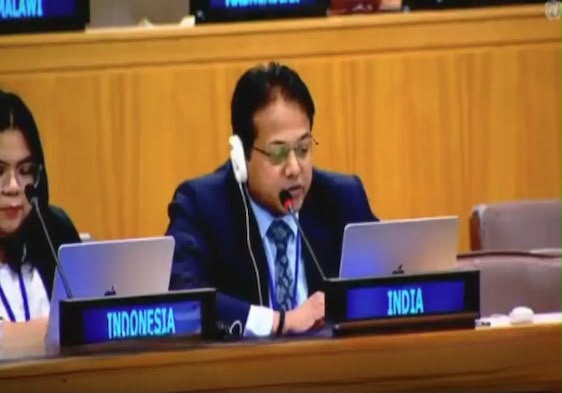
India raised the issue during the 81st session of the United Nations General Assembly’s Third Committee on Wednesday. Anuj Swarup, First Secretary at India’s Permanent Mission to the UN, delivered the statement during an interactive dialogue with the UN High Commissioner for Human Rights.
Swarup referred to earlier statements by the Office of the High Commissioner for Human Rights (OHCHR) that called for prompt, thorough and impartial investigations into killings allegedly involving security forces in the region.
The UN human rights office had also called for detained leaders of the Joint Awami Action Committee to be granted access to their families and legal representation. It stressed the importance of due process and fair trials, while urging authorities to restore internet access across Pakistan occupied Jammu and Kashmir and address local grievances through meaningful political dialogue.
India questioned when the OHCHR would report on the steps taken by Pakistan to address these concerns. Swarup also pointed to alleged human rights challenges in other areas under Pakistani administration, including Khyber Pakhtunkhwa and Rawalakot.
In July, UN High Commissioner for Human Rights Volker Turk had appealed for calm amid unrest in PoK ahead of regional legislative elections. He expressed concern over reports that dozens of people, including protesters and law enforcement personnel, had been killed since June. He also called for investigations into all deaths and raised concerns over internet restrictions.
India criticised what it described as selective attention by the UN human rights office, arguing that inconsistent responses to violent protests undermine confidence in multilateral institutions.
Swarup said India’s democratic framework was rooted in the principles of non violence and equality associated with Mahatma Gandhi. He maintained that fundamental rights were guaranteed under the Constitution and that law enforcement agencies operated within the legal framework, with courts available to address grievances.
He reiterated that Jammu and Kashmir and Ladakh were integral parts of India and that their residents enjoyed the same constitutional rights as citizens elsewhere in the country.
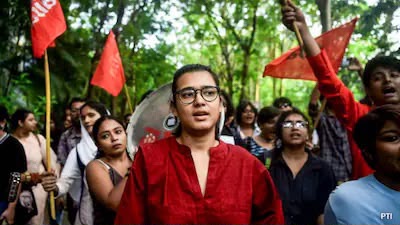
The statement came days after New Delhi criticised the OHCHR’s comments on protests in Delhi, describing them as unwarranted interference in India’s internal affairs. The UN human rights office had expressed concern over reports of mass detentions involving demonstrators, protest leaders, lawyers, journalists and civil society members.