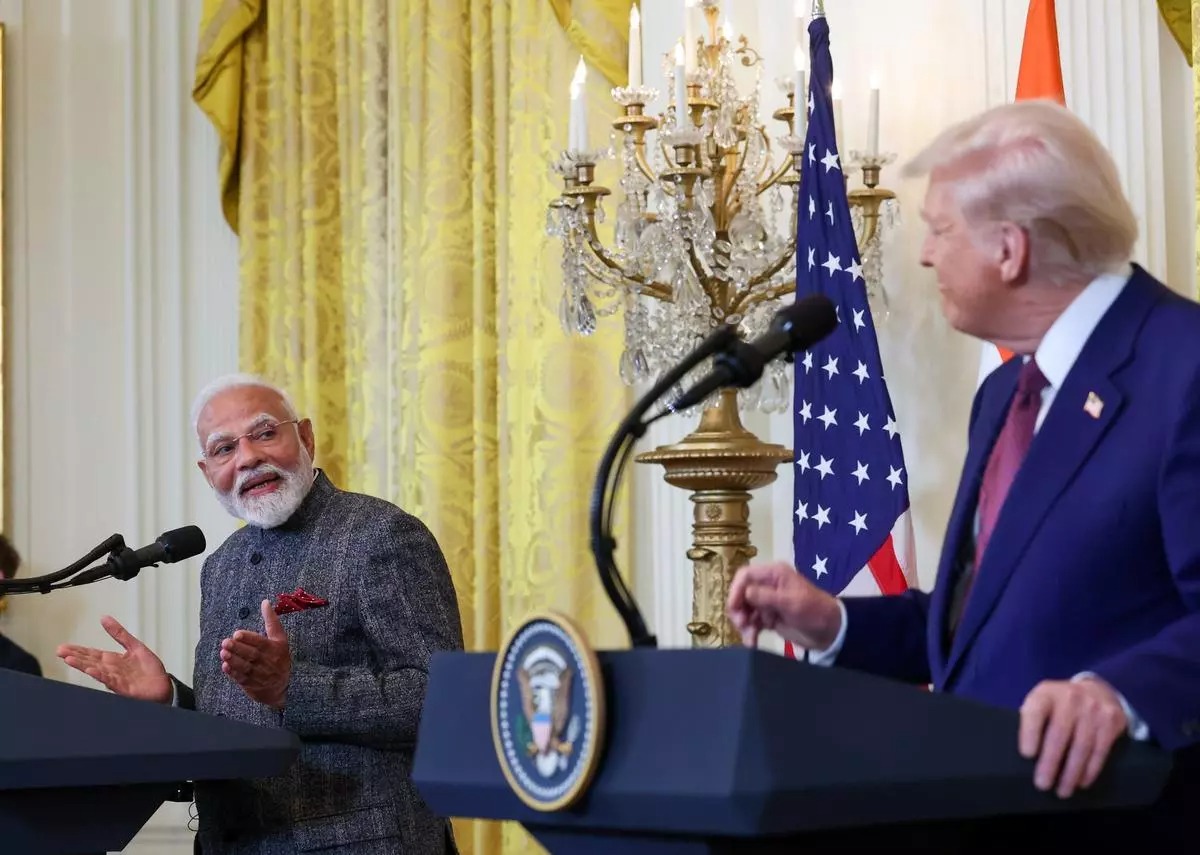
New Delhi: In a significant move to bolster economic ties, India and the United States are on the cusp of a major trade breakthrough. The two nations are negotiating a comprehensive Bilateral Trade Agreement (BTA) aimed at enhancing market access and slashing tariffs by fall 2025. This ambitious pact seeks to more than double bilateral trade to $500 billion by 2030, aligning with the ambitious Mission 500 goal. Key figures such as Prime Minister Narendra Modi, US President Donald Trump, and Commerce and Industry Minister Piyush Goyal are driving these negotiations forward.
At the heart of this BTA is a multisector approach focusing on increased market access, reduced tariffs, and enhanced supply chain integration. Both countries are committed to creating a mutually beneficial agreement that addresses the complexities of trade barriers. Notably, the US has not imposed reciprocal tariffs on India, despite issuing a memorandum on reciprocal trade and tariffs earlier this year.
In 2023, the US-India bilateral trade stood at an impressive $190.08 billion, with India enjoying a significant trade surplus with the US. This surplus underscores India’s strategic position as one of the few countries with which the US has a trade deficit. India continues to engage with the US to broaden and enhance bilateral trade ties in a mutually beneficial manner, with ongoing negotiations aimed at achieving fair and expanded trade relations.
Despite these efforts, no agreement has been reached yet on trade tariffs. India’s tariff policy remains focused on regulating trade, protecting domestic industries, and generating revenue through taxes on imported goods. Recent reforms have streamlined the tariff structure to facilitate smoother trade flows. India is also leveraging Preferential and Free Trade Agreements to reduce or eliminate customs tariffs and non-tariff barriers, currently being a member of 13 FTAs and 9 PTAs.