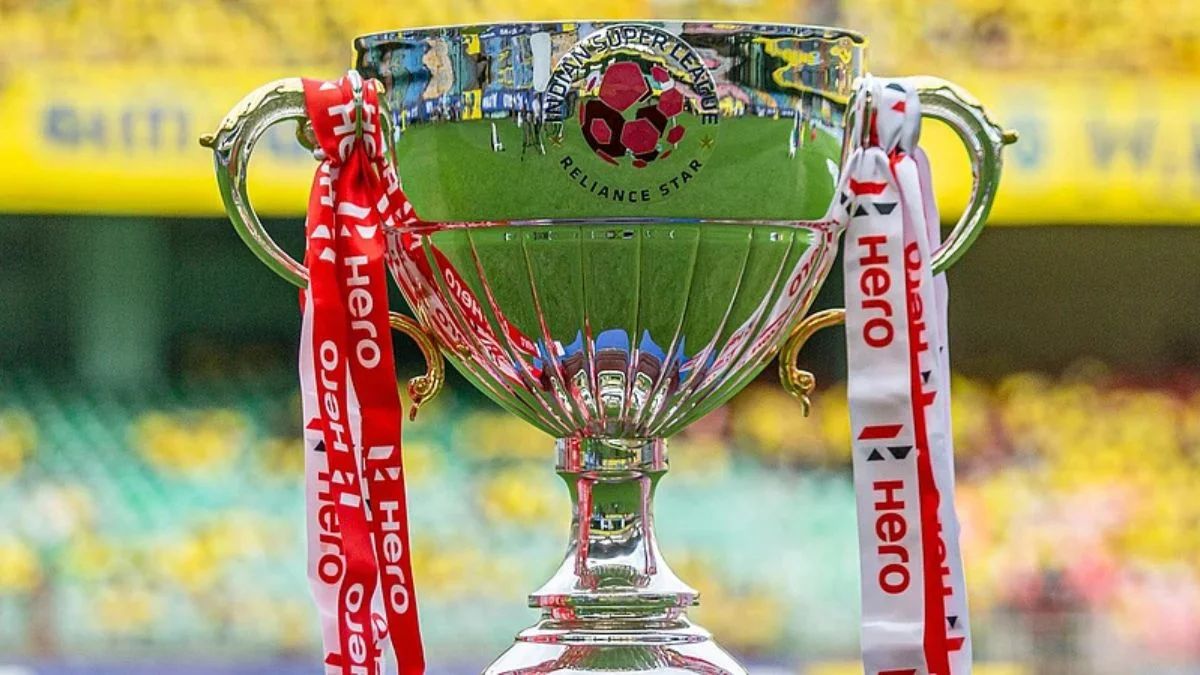
New Delhi: The 2026-27 season of the Indian Super League is expected to begin on September 4, with 14 teams competing in a full home and away format. The development marks a significant step forward for Indian football, which has endured months of uncertainty regarding the future of its premier domestic competition.
A key focus for clubs ahead of the new season is expected to be the recruitment and development of Overseas Citizen of India (OCI) players. The initiative is being viewed as part of a broader effort to strengthen the talent pool and improve the competitiveness of Indian football on the international stage.
The proposed start date comes shortly after a crucial meeting between ISL club representatives and Union Sports Minister Mansukh Mandaviya. During the discussions, assurances were reportedly provided that the country’s top tier football league would proceed as planned, bringing much needed stability to the domestic football ecosystem.
One of the major outcomes of the meeting was the approval of a club led operational framework that is set to replace the previous Genius Sports arrangement. Under the new structure, the All India Football Federation is expected to receive ₹15.4 crore annually, a figure higher than the approximately ₹12.4 crore associated with the earlier model.
As part of the proposed agreement, each participating club will contribute a fixed amount of ₹1.1 crore per season to the federation. The framework is considered practical by stakeholders, as clubs already manage and maintain their own infrastructure. A unified financial model is also expected to provide greater coordination between clubs and the federation.
The revamped system could have far reaching implications for the sport. By giving clubs a stronger role in decision making and revenue generation, the model is expected to create a more sustainable environment for growth. Any additional revenues generated under the arrangement are likely to be reinvested into football development.
The ISL will continue as India’s top division, with the I-League serving as the second tier. Administrators hope the new structure will prevent a return to the instability that previously threatened the domestic football landscape, while also providing greater security for clubs, players and the sport’s long term future.