New Delhi: India is preparing to enter a new era of rail transportation with the launch of its first bullet train service, expected to begin operations on August 15, 2027. The landmark project, based on Japan’s renowned Shinkansen technology, is set to revolutionise travel between Mumbai and Ahmedabad while significantly reducing journey times.
The Mumbai-Ahmedabad High-Speed Rail Corridor, stretching approximately 508 kilometres, will be the country’s first dedicated high-speed railway line. Designed to offer world-class speed, safety and efficiency, the corridor is expected to become a major milestone in India’s transportation infrastructure.
According to the planned timeline, the first phase of the project is scheduled to be inaugurated on Independence Day in 2027. Once the entire corridor becomes operational, passengers will be able to travel between Mumbai and Ahmedabad in less than two hours, a dramatic improvement over existing rail travel times.
The project incorporates Japanese Shinkansen technology, widely regarded as one of the safest and most reliable high-speed rail systems in the world. The adoption of this technology is expected to enhance passenger comfort while ensuring high standards of operational efficiency and punctuality.
The route will feature 12 stations, connecting key urban and industrial centres across Maharashtra and Gujarat. The stations are planned at Mumbai, Thane, Virar, Boisar, Vapi, Bilimora, Surat, Bharuch, Vadodara, Anand, Ahmedabad and Sabarmati, creating a seamless high-speed transport network across the region.
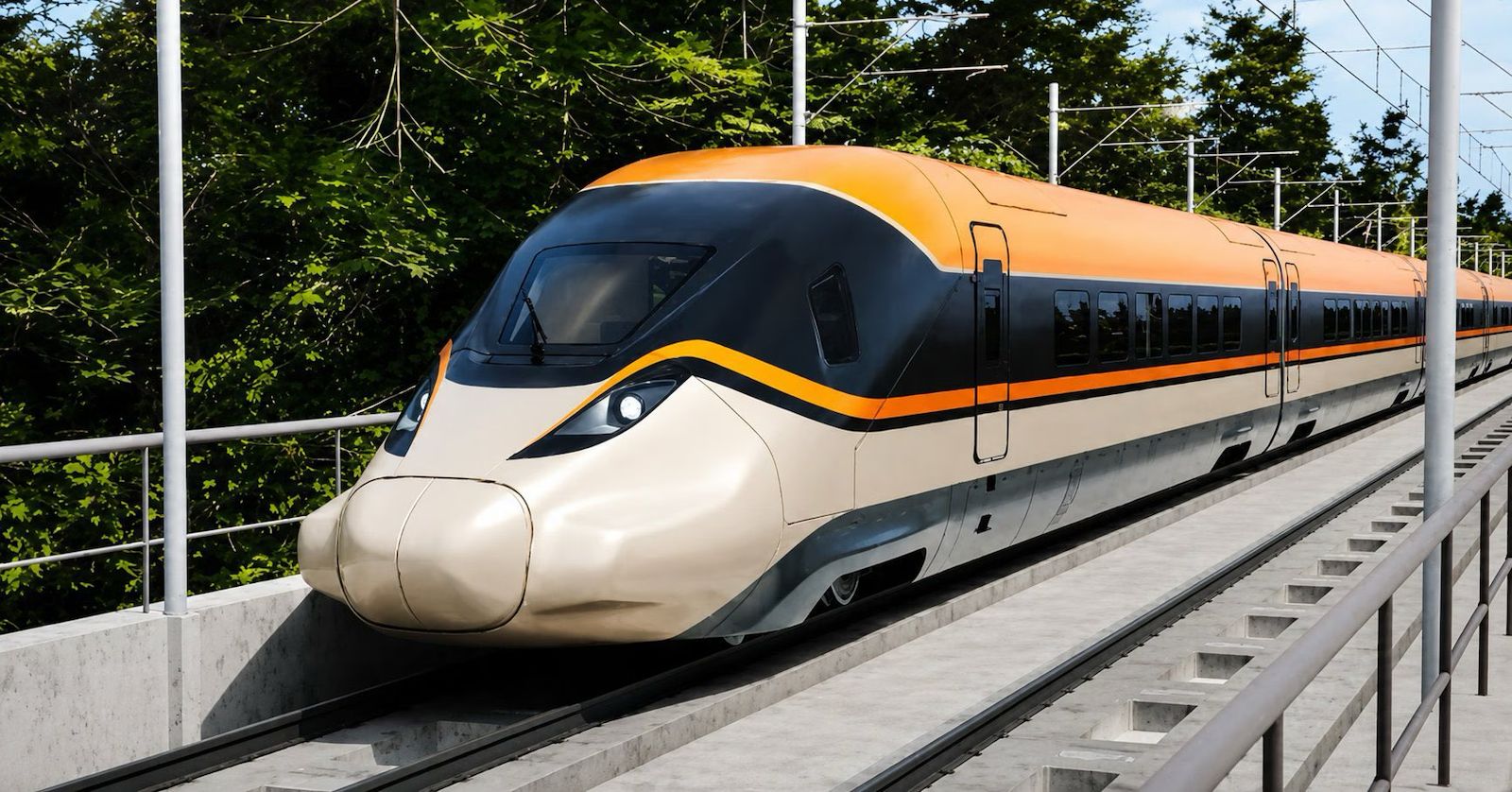
A significant feature of the project is the planned use of the indigenous B28 trainset during the initial phase. Manufactured by BEML, the trainset represents a major achievement for India’s domestic railway manufacturing capabilities and aligns with the country’s push for self-reliance in advanced technology.
Beyond reducing travel time, the bullet train corridor is expected to boost economic activity, improve regional connectivity and encourage investment along the route. Authorities plan to commission the project in stages, with the full Mumbai-Ahmedabad corridor targeted for completion by the end of 2029.
Once operational, the high-speed rail network is expected to mark a transformative chapter in India’s transportation landscape, bringing the country closer to the global leaders in modern rail infrastructure.