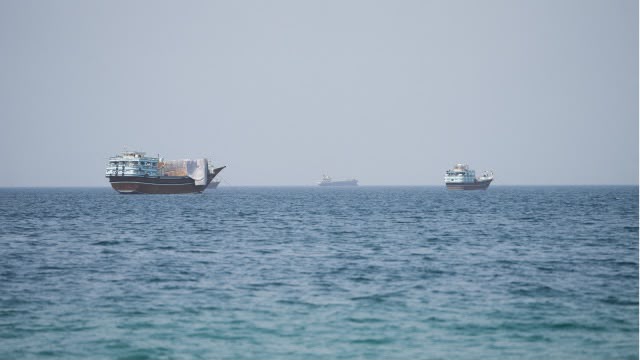
Tehran: Iran has placed 45 vessels on a blacklist over alleged violations of its transit protocols for the Strait of Hormuz, including ships linked to India and Pakistan, escalating pressure on commercial shipping through the strategically important waterway.
The Persian Gulf Strait Authority has listed the India linked bulk carrier Maha Roos among vessels considered non compliant with Iranian arrangements for crossing the strait. A Pakistan flagged crude oil tanker, Mardan, has also been included.
Iran has warned that blacklisted vessels could face restrictions on future crossings, including fines, seizure or confiscation. The authority also cautioned that vessels cooperating with ships on the list could themselves be added to the blacklist. Operators seeking removal have been asked to submit formal applications explaining their case.
Maritime ownership and management records indicate that most of the vessels on the list are connected to companies based in the United Arab Emirates. Other vessels have links to Qatar, Saudi Arabia, South Korea, Malta and Singapore. Some of the ships have also previously transported cargo, including energy supplies, to India.
The blacklist comes amid heightened tensions over control of shipping routes through the Strait of Hormuz. Iran has sought to direct commercial vessels towards a specific corridor in the northern part of the waterway, while some ships continue to use routes that Tehran does not recognise.
The situation has also exposed the risks faced by vessels operating in and around the strait. At least 14 of the 45 blacklisted ships have reportedly suffered damage in incidents during the ongoing Middle East conflict. The incidents have been classified as attacks by maritime security authorities, although responsibility for the attacks has not been officially assigned in each case.
Most of the vessels on Iran’s list are commodity carriers that have crossed the Strait of Hormuz since early March. Some have made repeated crossings, with certain ships passing through the waterway more than ten times.
The developments highlight the growing risks for global shipping and energy supplies as Iran tightens controls around one of the world’s most important maritime chokepoints.