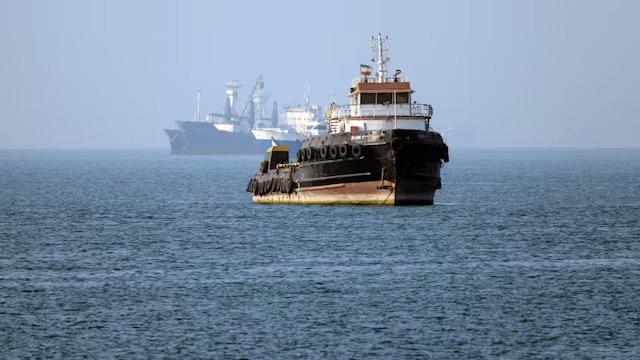
New Delhi: Iran has reportedly conveyed a private message to US President Donald Trump’s advisers acknowledging that attacks on commercial vessels in the Strait of Hormuz were a mistake, even as tensions between the two countries continue to escalate. The reported admission comes after renewed fighting this week, with Trump declaring that the ceasefire with Tehran is “over” despite agreeing to continue diplomatic talks.
According to reports, Iranian officials told members of Trump’s negotiating team that the attacks were carried out by an “errant” group of hardliners seeking to derail ongoing negotiations. The officials reportedly expressed regret over the incident, saying the attacks did not reflect the broader objective of maintaining dialogue with Washington and reaffirmed their willingness to keep the talks alive.
The explanation has emerged as one of two competing narratives surrounding the attacks. Iran maintains that rogue elements within its system acted independently to sabotage the peace process. The Trump administration, however, believes Tehran reacted after realising that increasing commercial traffic through the southern shipping lane along the Omani coast was reducing its strategic leverage over the Strait of Hormuz.
Fresh negotiations are scheduled to take place in Oman, where the US delegation, led by Vice President JD Vance, Jared Kushner, Special Envoy Steve Witkoff and Secretary of State Marco Rubio, is expected to meet Iranian representatives. Washington is seeking a public commitment from Tehran that the Strait of Hormuz will remain open to international shipping and managed without disruption. US officials have indicated that failure to provide such assurances could lead to further consequences.
The United States has also signalled that it is prepared to use both military and economic pressure if Iran resumes hostile actions. While the administration says it remains open to a negotiated settlement, officials have stressed that the immediate priority is safeguarding freedom of navigation through the vital waterway before addressing more complex issues, including Iran’s nuclear programme.
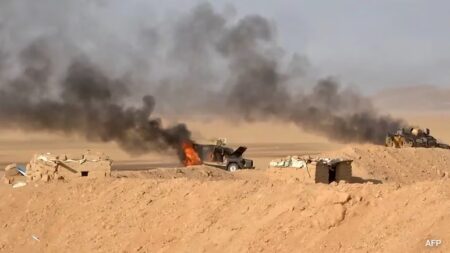
The developments come after a fresh exchange of strikes between the two countries and the burial of Iran’s late Supreme Leader Ayatollah Ali Khamenei, who was killed during the opening phase of the recent US and Israeli military campaign. His successor, Mojtaba Khamenei, has remained out of public view since assuming leadership.
Sorry, there was a YouTube error.