NEW DELHI: The Centre has clarified that it has no plans to increase ethanol blending in petrol beyond the current 20 per cent level, stating that any future decision will only be taken after detailed scientific and technical studies along with consultations with key stakeholders.
Responding in the Rajya Sabha, Minister of State for Petroleum and Natural Gas Suresh Gopi said no decision has been made to raise ethanol blending above E20. He added that any proposal for a higher blend would be considered only after discussions with automobile manufacturers, oil marketing companies and research institutions.
The government also defended its ethanol blending programme, highlighting that India achieved the 20 per cent blending target five years ahead of schedule. Average ethanol blending has increased from 1.53 per cent in 2013 and 14 to 20 per cent during the 2025 and 26 supply year after years of gradual implementation.
According to the government, the programme has delivered significant economic and environmental benefits. Since 2014 and 15, it has helped save more than Rs 1.97 lakh crore in foreign exchange, reduced crude oil imports by nearly 316 lakh tonnes, prevented around 952 lakh tonnes of carbon dioxide emissions and generated over Rs 1.66 lakh crore in additional income for farmers.
Addressing concerns over vehicle performance, the government said it has not received any widespread or verified complaints regarding engine damage, corrosion, fuel pump failures or water contamination linked to E20 fuel. It noted that more than 20 crore two wheelers and over three crore petrol cars, including many older vehicles, have been operating on higher ethanol blends without evidence of large scale technical issues.
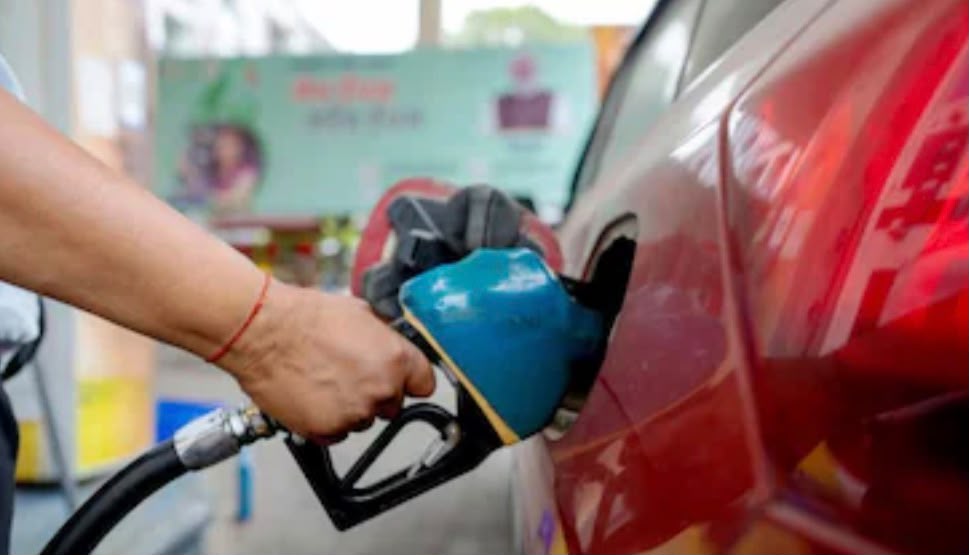
While vehicles originally designed for E10 fuel may experience a slight reduction in fuel efficiency of around 3 to 5 per cent, the government said E20 fuel offers improved octane levels and cleaner combustion. It also confirmed that manufacturers continue to honour warranties for vehicles using compliant E20 fuel.
The Centre further ruled out introducing lower blend or non blended petrol at selected fuel stations, saying separate supply chains would increase costs and reduce the overall benefits of the ethanol blending programme. It also stressed that ethanol production uses surplus food grains after meeting national food security requirements, while feedstock sources have expanded beyond sugarcane, with maize now accounting for around 37 per cent of ethanol production.