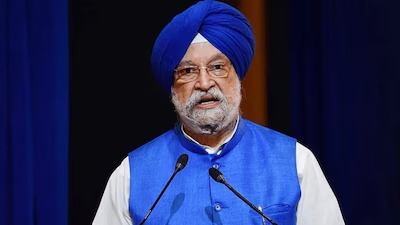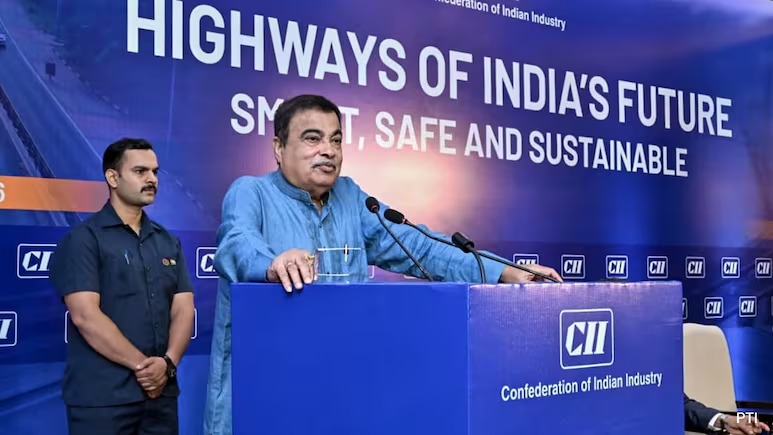
New Delhi: Union Road Transport Minister Nitin Gadkari has dismissed the criticism surrounding E20 petrol as a “paid campaign”, defending the government’s ethanol blending programme and highlighting its potential to reduce India’s dependence on imported fossil fuels.
Speaking at an industry event on Tuesday, Gadkari said concerns over petrol containing 20 per cent ethanol had generated significant controversy in recent months. His remarks came a day after the government amended the Central Motor Vehicles Rules, 1989, to permit flex fuel vehicles designed to operate on blends containing up to 100 per cent ethanol, known as E100.
Gadkari said more than 20 crore two wheelers and over three crore petrol cars had been operating on E19 and E20 fuel blends over the past three years. He noted that there was no verified evidence of widespread engine failures or vehicle breakdowns directly linked to ethanol blending.
The introduction of E20 petrol had drawn criticism from opposition parties and consumer groups, particularly over concerns about its compatibility with older vehicles not specifically designed for higher ethanol concentrations. India’s ethanol blending programme began with a pilot project in 2001, with E5 fuel introduced in 2006. Blending levels subsequently increased as production capacity, infrastructure and regulations developed.
Gadkari also addressed concerns over highway conditions, saying he had recently reviewed around 700 to 800 projects following complaints about damaged roads. He assured motorists that road quality would not be compromised and said Network Surveillance Vehicles would help identify potholes and monitor pavement conditions. Contractors, consultants and officials responsible for defects could face penalties.
He added that the Delhi to Haridwar journey could take around 90 minutes once the upcoming highway project opens, expected within two months.
Highlighting India’s infrastructure expansion, Gadkari said the national highways network had grown to 1.46 lakh kilometres in 2026 from 91,287 kilometres in 2014. He also pointed to progress on the Char Dham project, with 80 to 85 per cent of the work completed, and stressed that infrastructure investment remained essential to economic growth and India’s ambition of becoming a $5 trillion economy.