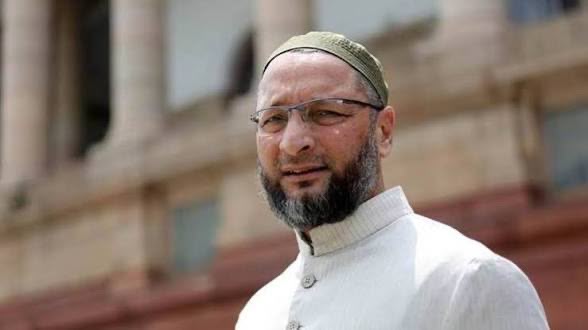
New Delhi: AIMIM chief Asaduddin Owaisi has launched a sharp attack on so-called secular political parties, accusing them of treating Muslims merely as vote banks rather than citizens entitled to equal rights and political representation.
Speaking about his decision to establish a third political front in Uttar Pradesh through an alliance with Chandrashekhar Azad’s Azad Samaj Party, Owaisi said the primary objective was to prevent the BJP from returning to power in the state.
He argued that the alliance was not limited to Dalit-Muslim unity but aimed at mounting a strong political challenge against the BJP government, which he accused of allowing lawlessness to prevail in Uttar Pradesh.
Highlighting the condition of Muslims in the state, Owaisi alleged that the community continued to face administrative action, including bulldozer demolitions, while remaining underrepresented in education, employment and politics.
He accused established Opposition parties of using Muslim voters during elections without addressing their concerns or encouraging independent political leadership. According to him, other caste groups have developed their own political representation, while Muslims have been denied similar opportunities.
Rejecting allegations that his alliance with Azad could indirectly benefit the BJP, Owaisi questioned the political consistency of the Opposition. He pointed to the Samajwadi Party contesting elections in Jammu and Kashmir and the Congress competing against the Aam Aadmi Party in Punjab.
Owaisi also criticised what he described as the feudal mindset of established political parties, arguing that leadership positions, including the chief minister’s office, should not remain restricted to a select group of political families.
He dismissed claims that the Samajwadi Party had offered AIMIM an alliance, maintaining that he had approached the party but his proposal was rejected.
Taking another swipe at Samajwadi Party chief Akhilesh Yadav, Owaisi questioned his visit to Ayodhya, alleging that the party was attempting to establish its Hindutva credentials by competing on the BJP’s political ground.
He maintained that the alliance with Azad was intended to challenge the existing political arrangement and create an alternative for communities seeking stronger representation.