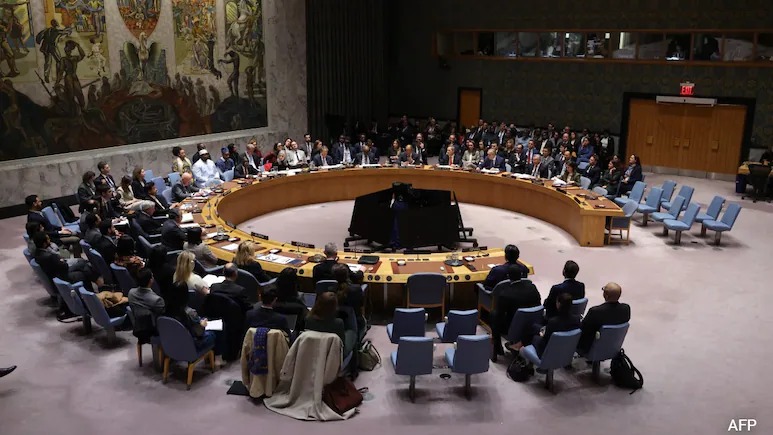
New Delhi: India has renewed its demand for sweeping reforms of the United Nations Security Council, stating that its structure, working methods and decision making processes must be modernised to reflect today’s global realities rather than the geopolitical order of 1945.
Speaking during the Security Council’s annual open debate on working methods, India’s Charge d’Affaires to the UN, Ambassador Yojna Patel, said the Council’s credibility and legitimacy are facing increasing scrutiny due to its inability to respond effectively to major global conflicts and humanitarian crises. She stressed that reform is now “more pressing than ever” as the international system has changed dramatically over the past eight decades.
Patel noted that UN membership has grown nearly fourfold since the Security Council was created, arguing that the outcome of a war fought 80 years ago should not continue to determine the composition of the world’s most powerful security body. India reiterated its long standing call for expanding both permanent and non permanent membership, with stronger representation for developing nations and the Global South.
India also argued that reforms to the Council’s working methods cannot be separated from broader structural changes. It said issues such as regional representation, membership categories and the veto must be addressed together through text based negotiations with clear timelines and measurable milestones.
A key focus of India’s intervention was strengthening the role of elected, non permanent members. Patel called for equal access to Council documents, including historical records, so that information is not concentrated among a limited group of countries. She also urged greater participation by the wider UN membership in important decisions, including the selection of the Secretary General.
On peacekeeping, India said countries contributing troops and police personnel should have a stronger voice in decisions related to mandates and funding, describing them as direct stakeholders in UN operations.
India further sought greater transparency in terrorist listing and delisting procedures, insisting that such decisions should be based on objective criteria rather than political considerations. It also called for closer coordination between the Security Council and the UN General Assembly to improve accountability and strengthen the effectiveness of the United Nations.
Sorry, there was a YouTube error.