Team Goemkarponn
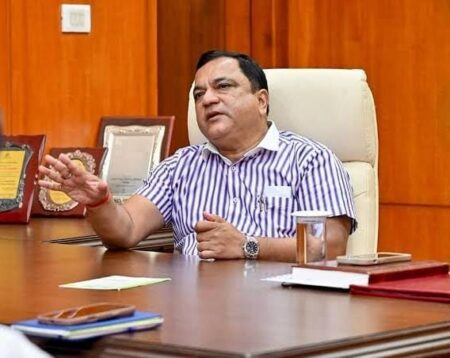
PANAJI: With changing lifestyles, irregular eating habits, inadequate sleep, stress and physical inactivity increasingly affecting health, Ayurveda offers a holistic approach centred on prevention, balance and disciplined living, said Ayurved Physician Dr Santosh Ganapati Vernekar of the Primary Health Centre, Balli.
Speaking on the occasion of Ayurveda Day, Dr Vernekar said the fundamental objective of Ayurveda is not merely to treat disease after it occurs but also to preserve the health of healthy individuals.
«“Swasthasya Swasthya Rakshanam, Aturasya Vikara Prashamanam — to maintain the health of the healthy and to alleviate disease in the sick,” Dr Vernekar said.»
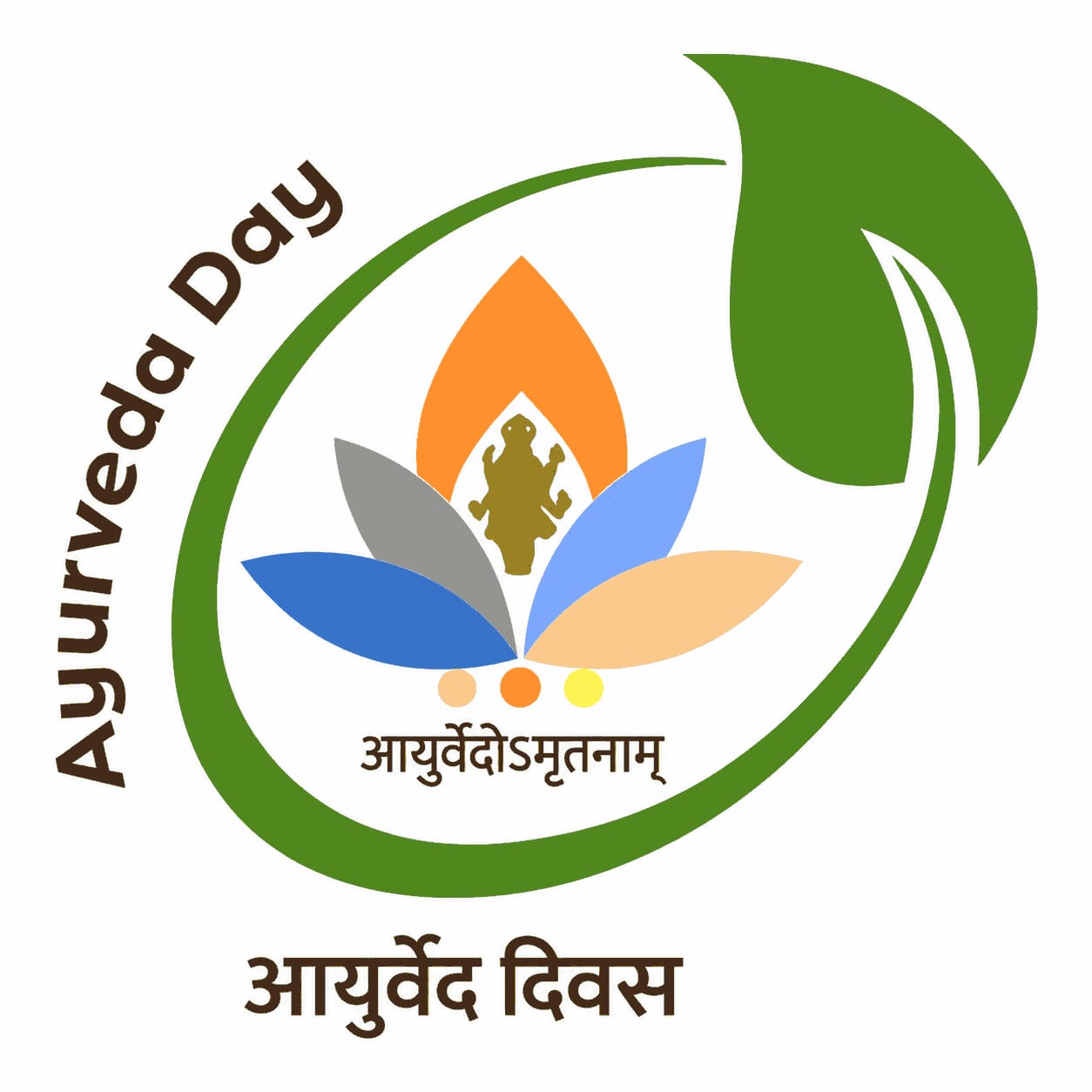
Ayurveda Day will be observed on September 23. The day was earlier associated with Dhanatrayodashi, which commemorates the birth anniversary of Lord Dhanvantari, regarded as the presiding deity of Ayurveda. As Dhanatrayodashi is determined by the lunar calendar and falls on different Gregorian dates, the Ministry of Ayush, Government of India, declared September 23 as the fixed annual date for Ayurveda Day.
Dr Vernekar said the fixed date would facilitate coordinated awareness campaigns, educational activities, conferences and health-related programmes at national and international levels.
He pointed out that September 23 falls around the Autumnal Equinox, when day and night are approximately equal in duration. “This balance symbolises harmony and equilibrium and has a meaningful connection with Ayurveda’s fundamental concept of maintaining balance in the body, mind and nature,” he said.
Highlighting the importance of Dinacharya, Dr Vernekar said a regular daily routine should include appropriate waking and sleeping times, personal hygiene, regular physical activity and meals at proper times.
“In today’s hectic lifestyle, many people skip breakfast, stay awake late at night and eat meals at irregular times. It is important to incorporate a regular schedule, balanced nutrition, physical activity and adequate sleep into our daily lives,” he said.
He also underlined the importance of Ritucharya, or adapting diet and lifestyle according to seasonal changes. Preference for fresh, clean, locally available and seasonal food, along with appropriate hydration and physical activity, can support healthy living.
On yoga and Pranayama, Dr Vernekar said regular yoga can support flexibility, muscular strength and physical fitness, while appropriately performed breathing practices such as Anulom-Vilom and Bhramari may help promote relaxation and calmness.
“Pranayama should be learnt and practised with the correct technique. Individuals with certain health conditions should preferably practise under the guidance of a qualified professional,” he said.
Dr Vernekar also explained the Ayurvedic concept of Trayopastambha, or the three pillars of life — Ahara (food), Nidra (sleep) and Brahmacharya (regulated and disciplined conduct).
“Ahara provides energy and nourishment, Nidra provides rest and rejuvenation, while Brahmacharya can be understood as disciplined, balanced and responsible living,” he said.
He stressed the need to limit excessive consumption of highly processed foods, added sugar, salt and oil, while maintaining regular sleep patterns and reducing screen use before bedtime.
Dr Vernekar further advised people to avoid tobacco and other addictions, manage stress appropriately, remain physically active and seek medical advice when required.
“Regular health check-ups, seeking medical advice at the appropriate time and avoiding self-medication are equally important. Ayurvedic medicines and therapies should also be used appropriately and preferably under the guidance of a qualified Ayurvedic physician,” he said.
He said Ayurveda should not be viewed merely as a system of treatment but as an approach that encourages harmony with nature and balance in everyday life.
“Every small positive step we take towards our health today is an important investment in a healthier society tomorrow,” Dr Vernekar said.