New Delhi: Bangladesh’s ruling Bangladesh Nationalist Party has called for immediate discussions with India over a new Ganges Water Sharing Treaty, warning that future ties between the two neighbours would largely depend on reaching an agreement that reflects Bangladesh’s current water needs and expectations.
The existing Indo Bangladesh Ganges Water Sharing Treaty, signed in 1996, is set to expire in December this year, prompting growing political and environmental concerns in Dhaka over future river water arrangements. Senior BNP leader Mirza Fakhrul Islam Alamgir stressed that Bangladesh expects a revised framework to be finalised through bilateral dialogue without delay.
The Ganges River, known as the Padma after entering Bangladesh, remains one of the country’s most crucial water systems. A significant portion of Bangladesh’s population depends on the river network for irrigation, agriculture, fisheries, biodiversity, and freshwater supply. Concerns have intensified over uncertainty surrounding the renewal of the current agreement, especially as dry season water flow continues to remain a sensitive issue in Bangladesh.
Alamgir also suggested that future water sharing arrangements between the two countries should move beyond fixed term agreements to ensure long term stability and predictability. He added that the existing treaty should continue until a replacement framework is signed.
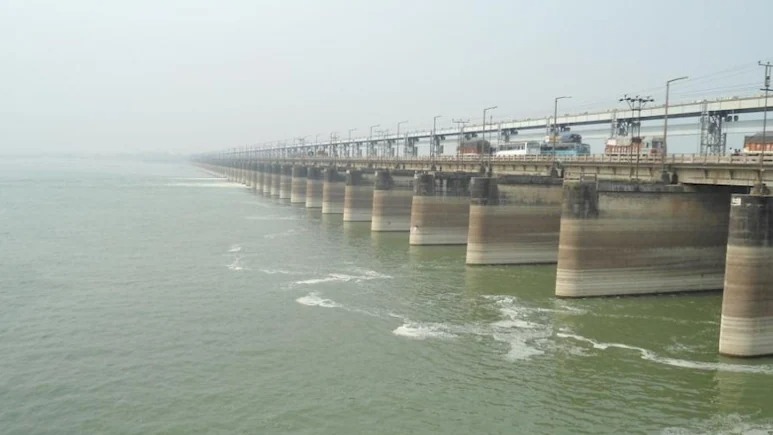
The remarks came shortly after Bangladesh approved a major infrastructure project involving the construction of a barrage on the Padma River. The project, expected to be completed by 2033, is aimed at reducing what Bangladesh describes as the adverse effects caused by the upstream Farakka Barrage in India’s West Bengal.
Bangladesh’s Water Resources Minister Shahiduddin Chowdhury Anee stated that the Padma Barrage project serves Bangladesh’s national interests and does not require discussions with India, although talks regarding the Ganges water treaty are continuing separately.
Experts in Bangladesh remain divided over the proposed barrage. Some believe it could help strengthen water management, while others warn it may worsen sediment accumulation and raise riverbeds downstream, potentially increasing ecological and agricultural challenges.
The Farakka Barrage issue has remained politically sensitive for decades, with Bangladesh frequently expressing concerns over reduced downstream water flow, salinity intrusion, and environmental impacts. India, meanwhile, has consistently maintained that the barrage was primarily constructed to preserve navigability at Kolkata Port and that water sharing concerns have been addressed through bilateral agreements and dialogue mechanisms.