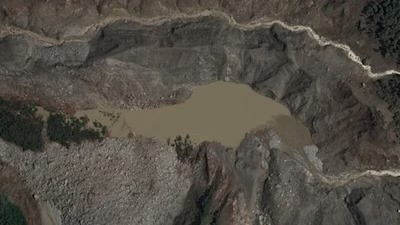
GUWAHATI: Reports of a glacial lake outburst flood (GLOF) in Bhutan’s Himalayan region have raised concerns about possible flooding in downstream areas of Assam and West Bengal. The reported event has highlighted the risks posed by sudden surges of water, sediment and debris flowing from high altitude regions into river systems that cross international borders.
Glacial lake outburst floods occur when water accumulated in glacial lakes is suddenly released following the failure of natural barriers, such as ice or moraine dams. These events can cause rapid rises in river levels, threatening settlements, agricultural land, roads and other infrastructure downstream.
In Assam, districts including Kokrajhar, Baksa, Chirang and Dhubri are among the areas identified as potentially vulnerable to changes in river conditions. In West Bengal, Jalpaiguri and Alipurduar could also face risks if water levels rise sharply in rivers draining the Himalayan foothills.
Monitoring river discharge, issuing timely public advisories and maintaining communication between authorities are crucial during such events. Residents living close to riverbanks are generally advised to avoid riverbeds, remain alert to official warnings and follow evacuation instructions if issued.
The reported incident also draws attention to the growing challenges facing the Eastern Himalayas, where changing temperatures, glacial retreat and the expansion of glacial lakes have increased concerns about high mountain hazards. GLOFs can develop rapidly, leaving communities downstream with limited time to respond.
The consequences can extend beyond immediate flooding. Large volumes of sediment and debris can damage bridges, roads, farmland and riverbank settlements, while erosion can further destabilise vulnerable areas.
The wider Himalayan region has experienced destructive floods and debris flows in recent years, underscoring the importance of regional cooperation, improved early warning systems and coordinated disaster preparedness.
Accurate, real time information on the reported Bhutan event, including the affected lake, the scale of the water release and confirmed river level changes, is essential to determine the extent of the threat to Indian districts.
Residents should rely on official state disaster management advisories for verified updates and instructions.
Sorry, there was a YouTube error.