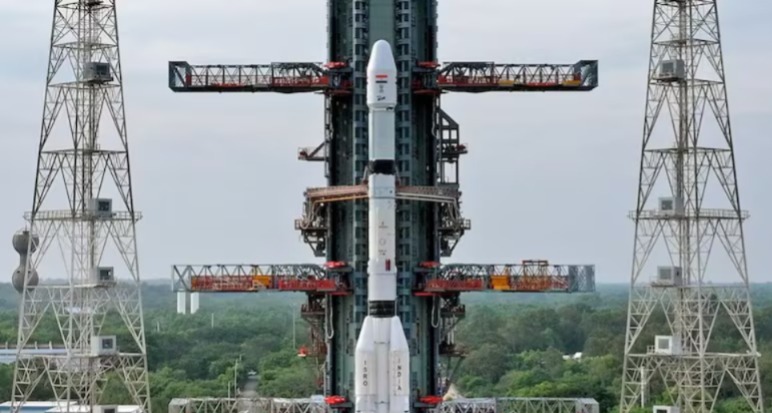
NEW DELHI: The Indian Space Research Organisation (ISRO) is set to launch its next generation navigation satellite, NVS-03, aboard the GSLV-F18 rocket, marking an important step towards strengthening India’s indigenous satellite navigation system, NavIC.
The rocket is scheduled to lift off at 11.51 pm from the second launch pad at the Satish Dhawan Space Centre in Sriharikota, Andhra Pradesh. The mission will place NVS-03 into Geosynchronous Transfer Orbit, from where the satellite will move towards its designated orbital position.
NavIC, short for Navigation with Indian Constellation, is India’s homegrown alternative to global navigation systems such as the American GPS, Russia’s GLONASS, Europe’s Galileo and China’s BeiDou. The system is designed to provide positioning, navigation and timing services across India and approximately 1,500 kilometres beyond its borders.
The launch assumes particular importance as previous satellite and atomic clock failures have affected NavIC’s operational capabilities. A reliable indigenous navigation network is considered essential for defence operations, commercial transportation, aviation, shipping, fisheries and disaster management.
NVS-03 is equipped with an indigenous atomic clock alongside procured atomic clocks. Precise timing is essential for satellite navigation, as even minor timing errors can affect positioning accuracy. The satellite also carries the L1 navigation signal in addition to the existing L5 and S-band signals, potentially improving compatibility with commonly used navigation receivers and consumer devices.
India’s need for a sovereign navigation system became evident during the 1999 Kargil conflict, when restrictions on access to foreign navigation information highlighted the strategic risks of relying on external systems. The importance of independent space capabilities has since grown amid changing security challenges.
The GSLV-F18 mission marks the 20th flight of the Geosynchronous Satellite Launch Vehicle programme. Standing approximately 50 metres tall and weighing around 420 tonnes at liftoff, the three-stage rocket uses solid, liquid and cryogenic propulsion systems to carry heavy satellites into orbit.
Additional satellites, including NVS-04 and NVS-05, are expected to further strengthen the NavIC constellation. Together, these missions aim to improve reliability, expand operational capacity and reduce dependence on foreign navigation infrastructure.
The NVS-03 mission represents another significant step in India’s efforts to build a resilient, independent navigation network for civilian and strategic applications.
Sorry, there was a YouTube error.