NEW DELHI: India has identified artificial intelligence (AI) and maritime security as key priorities in its bid for a non-permanent seat on the United Nations Security Council for the 2028-29 term, emphasising the need to use emerging technologies to strengthen global security and protect international shipping routes.
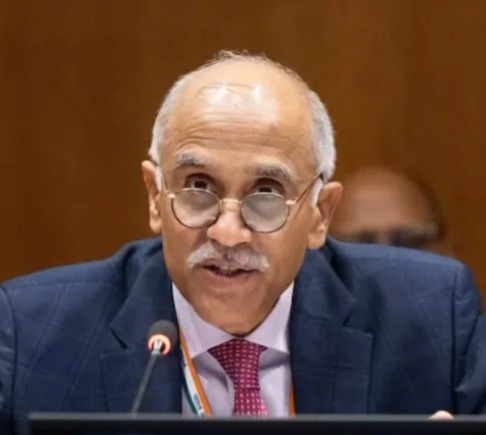
India’s Permanent Representative to the United Nations, Ambassador Harish Parvathaneni, highlighted these priorities during a high-level Security Council debate on emerging technologies and maritime security. He stressed that technological progress should improve human security, expand opportunities and make international waters safer rather than increase geopolitical tensions.
India is contesting the election for a two-year non-permanent Council seat, with voting scheduled for June next year. It is competing against Tajikistan for the sole seat allocated to the Asia-Pacific Group for the 2028-29 term.
Parvathaneni emphasised that protecting freedom of navigation and safeguarding commercial shipping were essential to international peace and economic stability. Attacks on commercial vessels and disruptions at critical maritime chokepoints can threaten seafarers, interrupt supply chains and increase costs, with developing economies often bearing a disproportionate burden.
He also highlighted the growing cyber risks associated with the digitalisation and automation of ports, vessels, communication networks and undersea infrastructure. The increasing use of autonomous systems raises additional concerns over accountability, responsibility and the possibility of unintended escalation.
At the same time, AI offers significant opportunities to improve maritime surveillance and security. Analysing satellite imagery, radar information and vessel tracking data can help authorities identify suspicious activity and strengthen maritime domain awareness.
India called for developing countries to receive better access to technology, training and institutional capabilities so they can secure their maritime infrastructure and participate meaningfully in shaping global technology governance.
The envoy also highlighted India’s Information Fusion Centre for the Indian Ocean Region, which facilitates cooperation and information sharing to improve maritime security.
India’s approach is guided by the SAGAR vision, which stands for Security and Growth for All in the Region, alongside its broader commitment to inclusive maritime cooperation.
The Indian delegation called for appropriate safeguards, meaningful human oversight and clear accountability in deploying emerging technologies, underlining the importance of ensuring that innovation contributes to international stability and shared security.
Sorry, there was a YouTube error.