PANAJI: As Goa’s population ages and access to advanced healthcare improves, specialists are stressing the importance of recognising the signs of brain tumours early and dispelling the myths that often surround the condition.
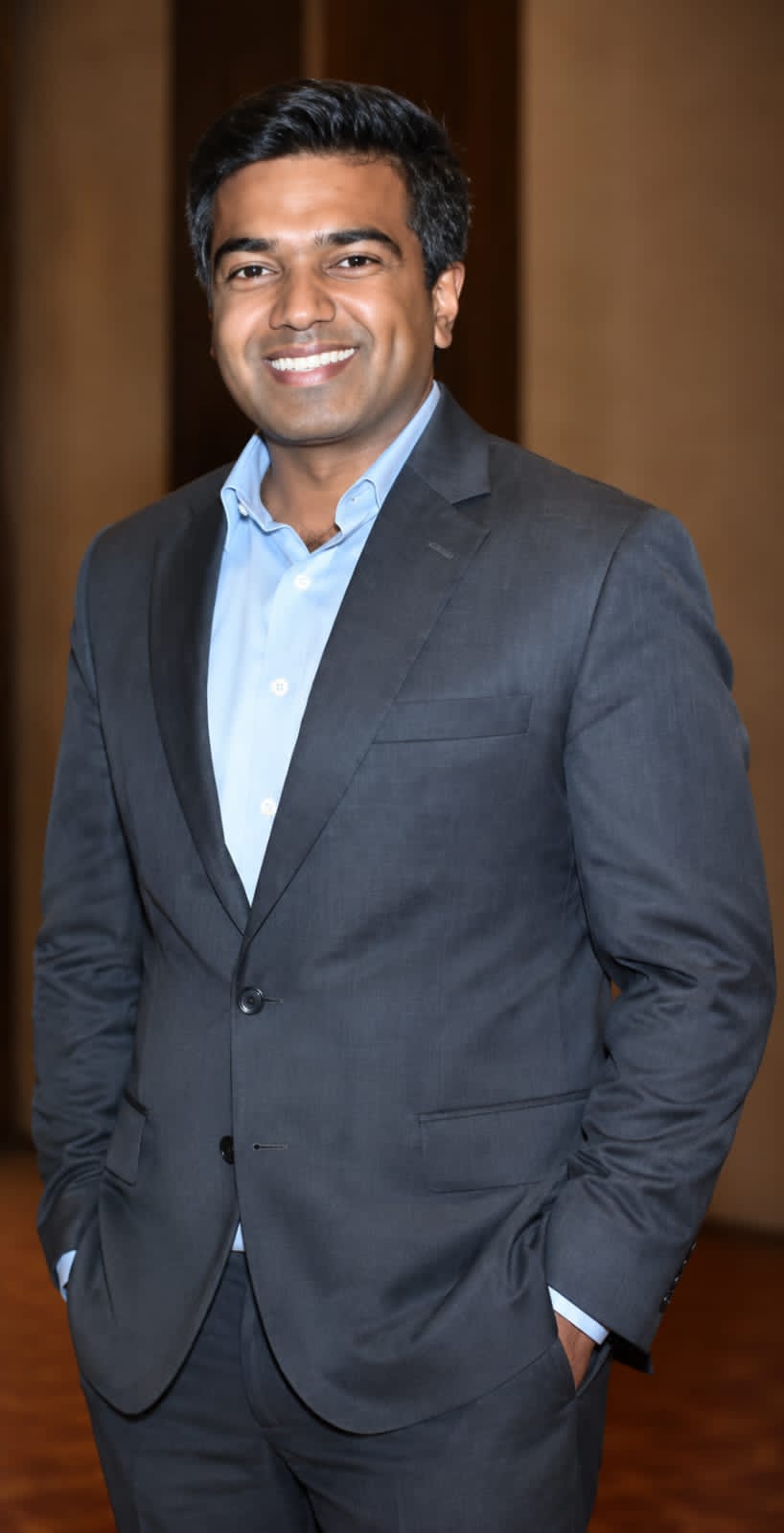
Ahead of World Brain Tumour Day, Consultant neurosurgeon Dr Omkar Churi of Manipal Hospital, Dona Paula, said that one of the greatest challenges in managing brain tumours is overcoming fear and misinformation.
For many patients and their families, a diagnosis of a brain tumour can be overwhelming, often leading to the belief that the condition is invariably fatal. However, Dr Churi emphasised that this is far from the truth.
“One of the biggest myths is that all brain tumours are cancerous and all of them are the same. That is simply not true,” he said.
Globally, brain tumours account for only about 2 to 4 per cent of all tumours. While relatively uncommon, they can have a significant impact because they affect one of the body’s most vital organs.
According to Dr Churi, nearly two-thirds of brain tumours are benign and can often be treated successfully. “About 65 per cent of brain tumours are non-cancerous. Once removed, many patients can do very well,” he explained.
Brain tumours can develop in different ways. Some originate within the brain itself, while others spread to the brain from cancers elsewhere in the body, including the breast, lungs or colon. Among the most common primary brain tumours are meningiomas, which arise from the membranes covering the brain and typically grow slowly over several years.
Because the brain itself does not feel pain, these tumours can often grow considerably before being detected. Having practised in Goa for the past five years, Dr Churi estimates that he sees around 50 to 60 brain tumour cases annually and performs approximately 25 to 30 brain tumour surgeries each year.
He noted that many patients seek treatment only after symptoms have progressed, as early warning signs are frequently ignored or mistaken for less serious conditions.
“The most common warning signs are early morning headaches associated with vomiting, seizures, gradually worsening weakness on one side of the body, speech problems, balance issues or changes in vision,” he explained.
Dr Churi believes that greater public awareness can play a crucial role in improving outcomes. “Early diagnosis is extremely important. Smaller tumours are easier to treat and often allow better preservation of neurological function,” he said.
Drawing on his experience in India, the United Kingdom and Japan , Dr Churi observed that patients in countries with stronger awareness and surveillance programmes often present with much smaller tumours, making treatment less complicated.
Addressing another widespread misconception, he clarified that brain tumours are not usually hereditary. “Most brain tumours are not genetic. There are some rare inherited conditions, but for the majority of patients, family members do not need to worry that they will automatically develop a tumour,” he explained.
Similarly, despite persistent concerns among the public, there is currently no conclusive scientific evidence linking mobile phone use to brain cancer.
“This is one of the most common questions I receive. As of now, there is no proven data showing that mobile phones cause brain tumours,” Dr Churi said.
When it comes to prevention, experts acknowledge that there are no specific lifestyle habits known to directly cause or prevent brain tumours. However, maintaining overall health remains important for brain function.
“What is good for the heart is generally good for the brain,” he said. “A balanced diet, physical activity, moderation in eating habits, fish, eggs and nuts all contribute to better overall brain health.”
Advances in medical technology have also dramatically improved treatment outcomes in recent years. Modern MRI scans can detect very small tumours, while sophisticated navigation systems, intraoperative ultrasound, neuro-monitoring and awake brain surgery allow surgeons to operate with greater precision and safety.
During awake brain surgery, patients remain conscious while surgeons monitor essential functions such as speech and movement, helping preserve neurological abilities even when tumours are located in highly sensitive areas of the brain.
Targeted therapies and personalised cancer treatments are also emerging, offering fresh hope to patients with more aggressive tumours.
Importantly, Dr Churi believes that the quality of brain tumour treatment available in India today matches global standards.
“I would rate our treatment standards at par with the rest of the world,” he said.
While medical advancements continue to improve outcomes, Dr Churi stressed that emotional support remains a vital part of patient care.
“When patients hear the words ‘brain tumour’, they often feel that life is over,” Dr Churi said. “Families need time, counselling and proper explanations to understand what type of tumour they are dealing with and what treatment options are available.”
His message on World Brain Tumour Day is one of awareness, hope and timely intervention.
“A brain tumour diagnosis is not the end. Many tumours are treatable, many are curable, and outcomes today are far better than they were even a decade ago. The key is not to ignore symptoms, seek medical advice early and trust that there are effective treatments available.”
For brain tumour patients and their families across Goa, Dr Churi’s message offers reassurance that with early diagnosis, modern treatment and the right support, there is every reason to remain hopeful.