New Delhi: Delhi overtook Pakistan’s Lahore to become the world’s most polluted major city on Friday as a thick layer of smog covered the national capital, reducing visibility and pushing air pollution levels into the hazardous category.
With a population of nearly 20 million, Delhi witnessed deteriorating air quality as pollution levels climbed sharply. The global air quality index placed the city’s AQI at 334, categorising conditions as hazardous and ranking it above other major cities worldwide.
However, India’s Central Pollution Control Board recorded an even higher AQI of 403, placing Delhi in the severe category. The difference between the two readings is due to variations in the measurement scales and methods used by international and Indian monitoring systems.
An AQI reading between zero and 50 is generally considered good, indicating minimal or no health risk. Levels above this range indicate increasing pollution and potential health impacts, particularly for children, older people and those with respiratory conditions.
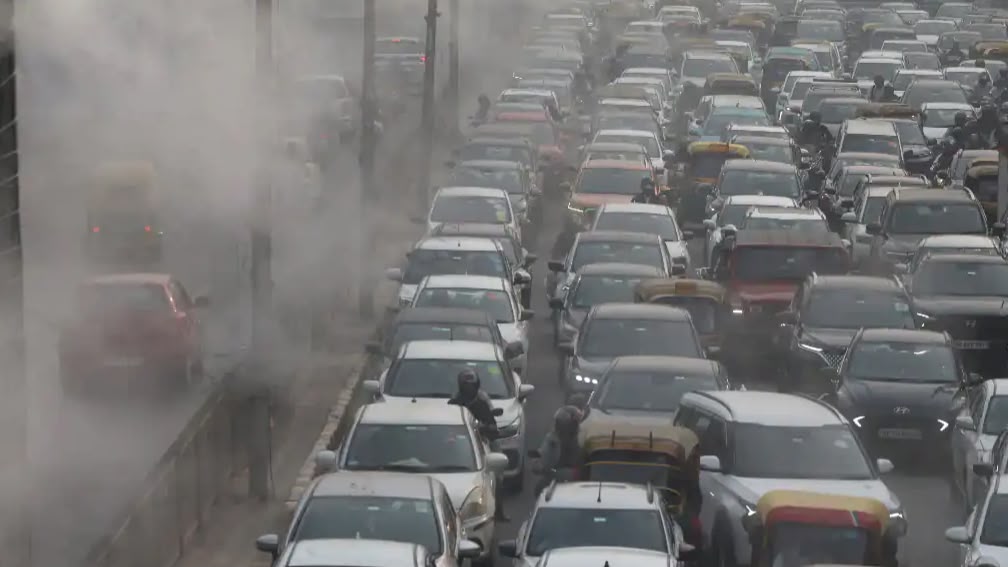
Dense smog affected several parts of the city, with cars and motorcycles moving through reduced visibility. Streetlights along major roads also appeared faint behind the thick layer of polluted air.
Air pollution is a recurring seasonal challenge across northern India and neighbouring Pakistan, particularly during the winter months. Falling temperatures and heavy, stagnant air prevent pollutants from dispersing, allowing harmful particles to remain trapped close to the ground.
Vehicle emissions, construction dust and smoke from agricultural residue burning are among the major contributors to the worsening pollution.
With air quality reaching severe levels, Delhi continues to face growing concerns over public health and the impact of prolonged exposure to polluted air.