Team Goemkarponn
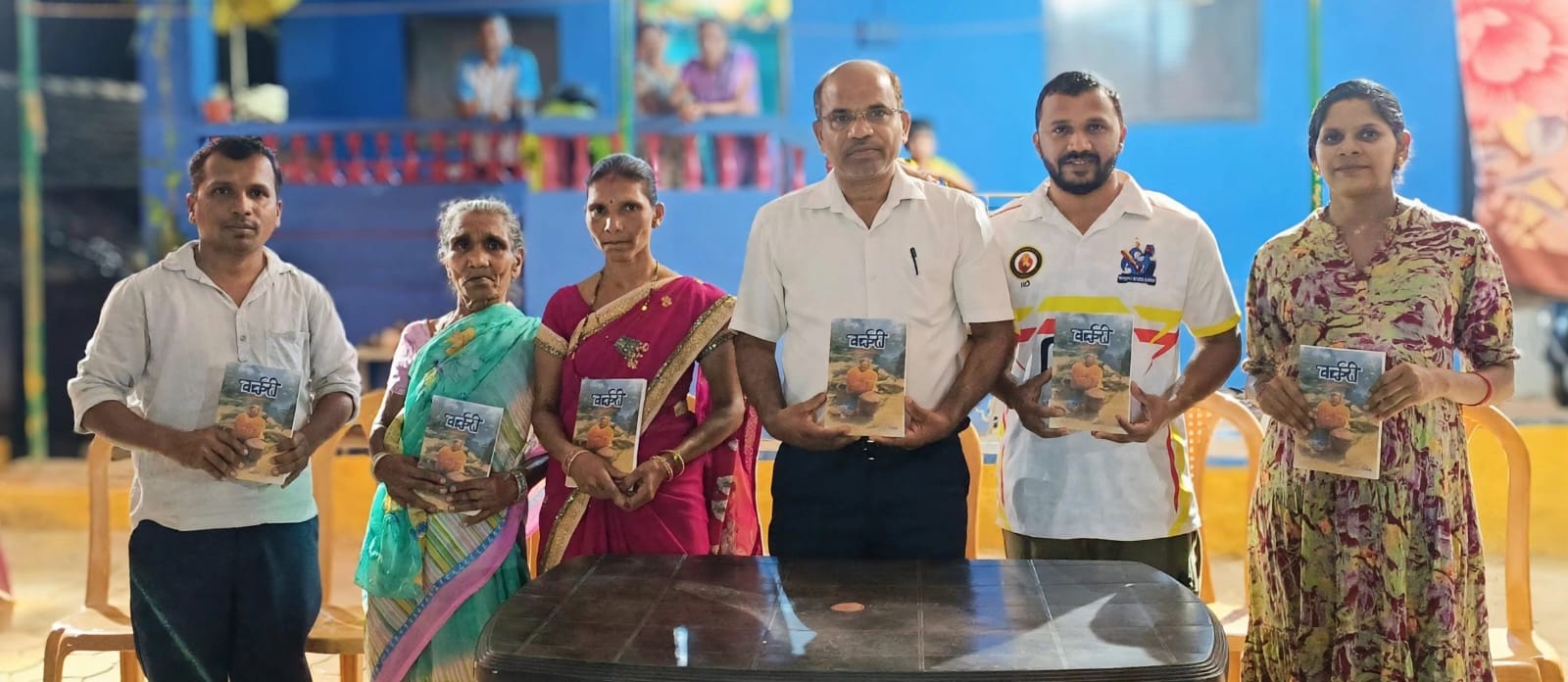
CANACONA: A book titled ‘Dhartari’, a compilation of traditional folk songs associated with the Dhillo festival, compiled by Sharmila Velip of Bhars-Gaondongari village in Canacona taluka, was released on Sunday, November 1, at the Dhillya Maand in Bhars ward.
Teacher Devendra Tawadkar was present as the chief guest and inaugurated the book release ceremony.
Speaking on the occasion, Tawadkar said the Dhillo festival is celebrated in only a few villages across Canacona, Quepem and Sanguem talukas. He explained that the women-centric festival is observed for 21 days, from Dussehra to Diwali.
During the festival, women from the village come together to create a Dhillo on the Maand (sacred platform) and perform various traditional folk dances in front of it every day.
He said the festival plays an important role in fostering unity among village women and forms an integral part of the community’s cultural existence, making its preservation essential.
Tribal researcher Devidas Gaonkar, who was also present, said women participating in the Dhillo festival develop the mental and physical strength to face various challenges.
He expressed concern over changes being introduced to traditional customs in the name of reform, stating that such changes could have serious sociological and historical implications in the future.
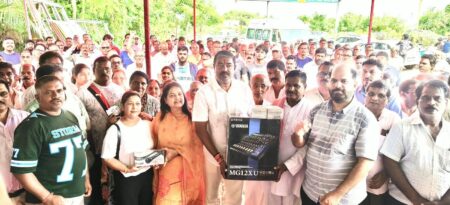
Gaonkar also mentioned that the government had provided grants to traditional Maands this year and appealed to women to utilise the funds to purchase traditional attire and wear it during festivals such as Dhillo.
Highlighting the importance of documenting traditional folk songs, village youth Vasant Velip said many traditional songs associated with village festivals were gradually being forgotten. He said documenting them in book form would help preserve the songs and provide future generations with a valuable record of their cultural heritage.
At the beginning of the programme, compiler and author Sharmila Velip welcomed the gathering and shared her thoughts on the importance of preserving traditional practices.
She said the younger generation was gradually losing its sense of pride in traditional festivals and customs. Unless the younger generation learns about and takes responsibility for preserving these traditions, they risk disappearing, she said.
Velip further observed that the loss of traditional practices would also mean the gradual erosion of the unique cultural identity of the tribal community.
Dayawati Velip, Mukhel Velpin of the village, Saraswati Velip and others were present on the dais.
Prachi Velip compered the programme, while the vote of thanks was proposed at the conclusion of the event.