Team Goemkarponn
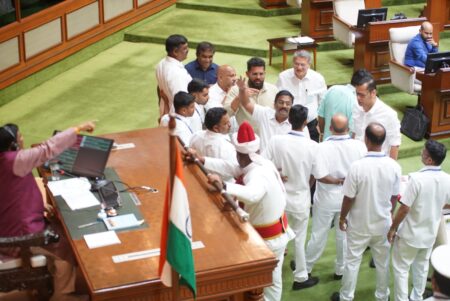
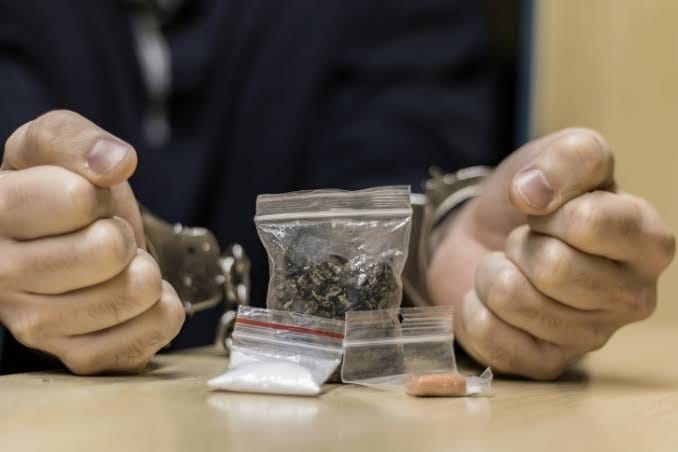
PANAJI: Goa has seized narcotic substances worth more than Rs 92.59 crore and arrested 547 persons in 432 cases between January 2024 and July 2026, the state government informed the Legislative Assembly.
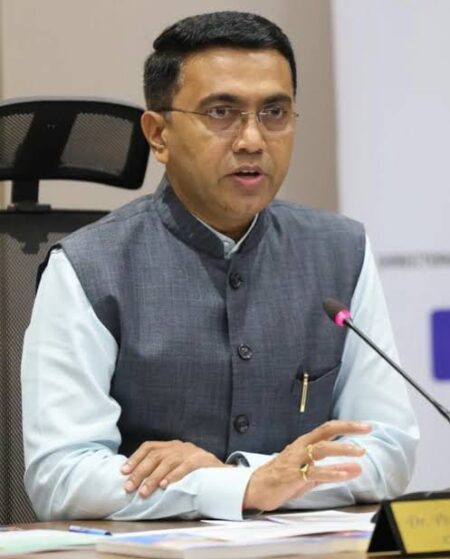
The figures were disclosed by Chief Minister and Home Minister Dr Pramod Sawant in a written reply to a starred question raised by Curtorim MLA Aleixo Lourenco on the growing drug menace among students.
According to the data tabled in the House, police registered 162 cases and arrested 192 persons in 2024, recovering 275.082 kg of narcotic substances valued at Rs 9.91 crore.
The crackdown intensified in 2025, with 163 cases registered and 213 persons arrested. Although the quantity seized fell to 234.286 kg, the value of the drugs recovered surged to Rs 78.48 crore, indicating the seizure of higher-value substances.
Till July 31 this year, police had registered 107 cases, arrested 142 persons and seized 88.882 kg of narcotics valued at Rs 4.19 crore.
The government said its assessment of the factors driving drug trafficking in Goa is based on interrogation of accused persons, their disclosures and field intelligence. It identified the lure of quick financial gains, peer pressure among youngsters, demand from tourist destinations and nightlife circuits, and Goa’s extensive coastal and tourism environment as major factors contributing to the drug trade.
Concern over the availability of drugs around educational institutions has also prompted increased surveillance. The government said police conduct regular patrolling and maintain intelligence networks around schools, colleges, student hostels and transit points, particularly during vulnerable hours.
The Goa Police has also operationalised PRISM, an intelligence and analytical support mechanism intended to assist investigating officers, track serial offenders and analyse narcotics networks.
Beat and robot staff have been deployed for foot patrols around institutional areas, while police are also coordinating with educational institutions and NGOs and using radio and print campaigns to create awareness.
The government said its strategy is increasingly focused on breaking entire drug supply networks rather than merely targeting street-level peddlers.
Financial investigations will be undertaken in appropriate cases registered under the NDPS Act to trace, attach and seize proceeds of crime and illegal assets generated through drug trafficking.
The state has also strengthened inter-agency coordination through regular District-level Narco-Coordination (NCORD) meetings, chaired by District Magistrates and attended by Superintendents of Police, to coordinate action between state and central enforcement agencies.