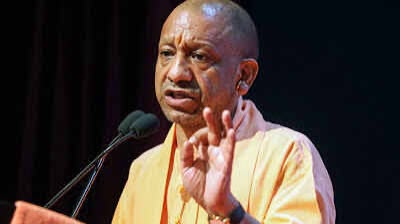
New Delhi: Uttar Pradesh Chief Minister Yogi Adityanath has defended the bursting of firecrackers during Diwali, arguing that any pollution caused by the celebrations would eventually subside. He also questioned the criticism surrounding firecrackers, contrasting it with what he described as a lack of concern over corruption that had damaged the entire system.
Adityanath said his government had not imposed restrictions on Diwali celebrations and had instead encouraged people to celebrate the festival wholeheartedly. Recalling the festive atmosphere during Dhanteras and Diwali, he said it was encouraging to see people enjoying themselves and participating in celebrations with fireworks.
Speaking at a government programme where appointment letters were distributed to more than 1,000 newly recruited junior assistants, the chief minister said pollution concerns appeared to dominate discussions whenever people celebrated festivals.
He questioned why the use of firecrackers for a single day attracted widespread criticism while corruption and other forms of systemic wrongdoing did not receive similar attention. He maintained that temporary pollution from celebrations would eventually clear.
The chief minister also criticised previous governments in Uttar Pradesh, alleging that festivals before 2017 were frequently accompanied by communal tensions and riots. He listed festivals including Holi, Diwali, Vijayadashami, Janmashtami, Shivratri, Christmas, Eid, Guru Parv and Makar Sankranti.
His remarks came amid renewed concerns over the impact of Diwali celebrations on air quality. In Delhi and the National Capital Region, pollution levels deteriorated sharply following the festivities, with the Air Quality Index reaching 483, placing it in the severe category. Some private monitoring platforms reported considerably higher readings in certain areas.
Meanwhile, health experts have called for greater attention to the medical consequences of air pollution. Former World Health Organization deputy director Dr Soumya Swaminathan stressed that reducing pollution levels could produce measurable improvements in public health and help save lives.