New Delhi: India has strongly rejected remarks by two senior officials of the US Commission on International Religious Freedom (USCIRF) alleging attacks on Sikh gurdwaras in the country, describing the organisation as biased and politically motivated.
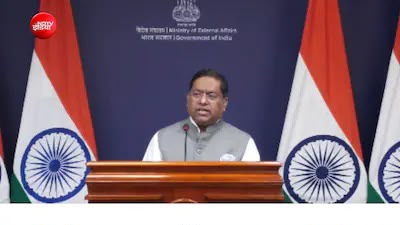
External Affairs Ministry spokesperson Randhir Jaiswal criticised the commission’s comments, questioning its credibility and accusing it of selectively raising concerns about religious freedom in India while ignoring similar incidents in the United States.
Jaiswal said the USCIRF was a biased and ill-informed organisation with a political agenda. He also questioned why its commissioners had remained silent on attacks against religious places in the US and incidents of hate crimes and racial abuse targeting the Indian community there.
The response followed comments by USCIRF Commissioner David Anderson, who alleged that Sikh gurdwaras in India had faced vigilante attacks in recent weeks, including attempts to harm religious leaders.
Anderson urged the US government to link security assistance to India’s response to such incidents, arguing that people must be able to exercise their freedom of religion without fear of violence.
Another commissioner, Joe Grogan, raised concerns over alleged attacks on places of worship, including churches, gurdwaras and mosques. He called on Washington to press the Indian government to ensure accountability for those responsible and strengthen protection for religious institutions.
The latest exchange adds to ongoing differences between New Delhi and the USCIRF over religious freedom issues in India.
In August, the commission had also called for sanctions against the Rashtriya Swayamsevak Sangh (RSS) and urged the US government to withhold diplomatic courtesies from its leaders. India had strongly rejected those recommendations as well.
The USCIRF is a bipartisan US federal government agency responsible for monitoring religious freedom across the world. It provides policy recommendations to the US President, Secretary of State and Congress and tracks their implementation.
India’s latest response reflects its continued opposition to the commission’s assessments and recommendations.