Team Goemkarponn
MARGAO: Chief Election Commissioner Gyanesh Kumar on Thursday made it clear that Goa’s next Assembly elections will be conducted according to schedule, putting to rest speculation over the possibility of an early poll.
When asked whether the elections could be held in December, Kumar responded: “Samay par hoga”, indicating that the electoral exercise would take place on time.
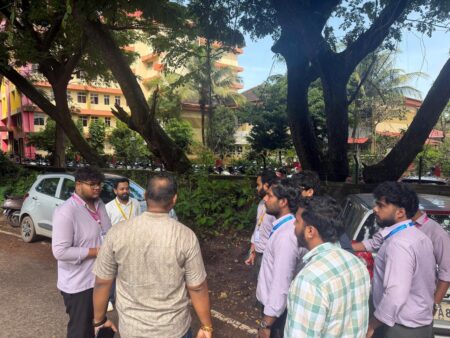
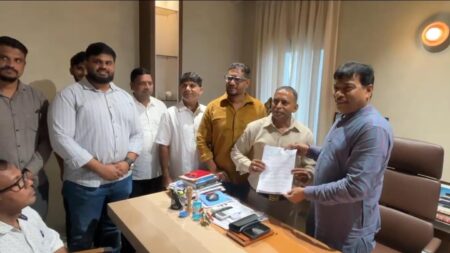
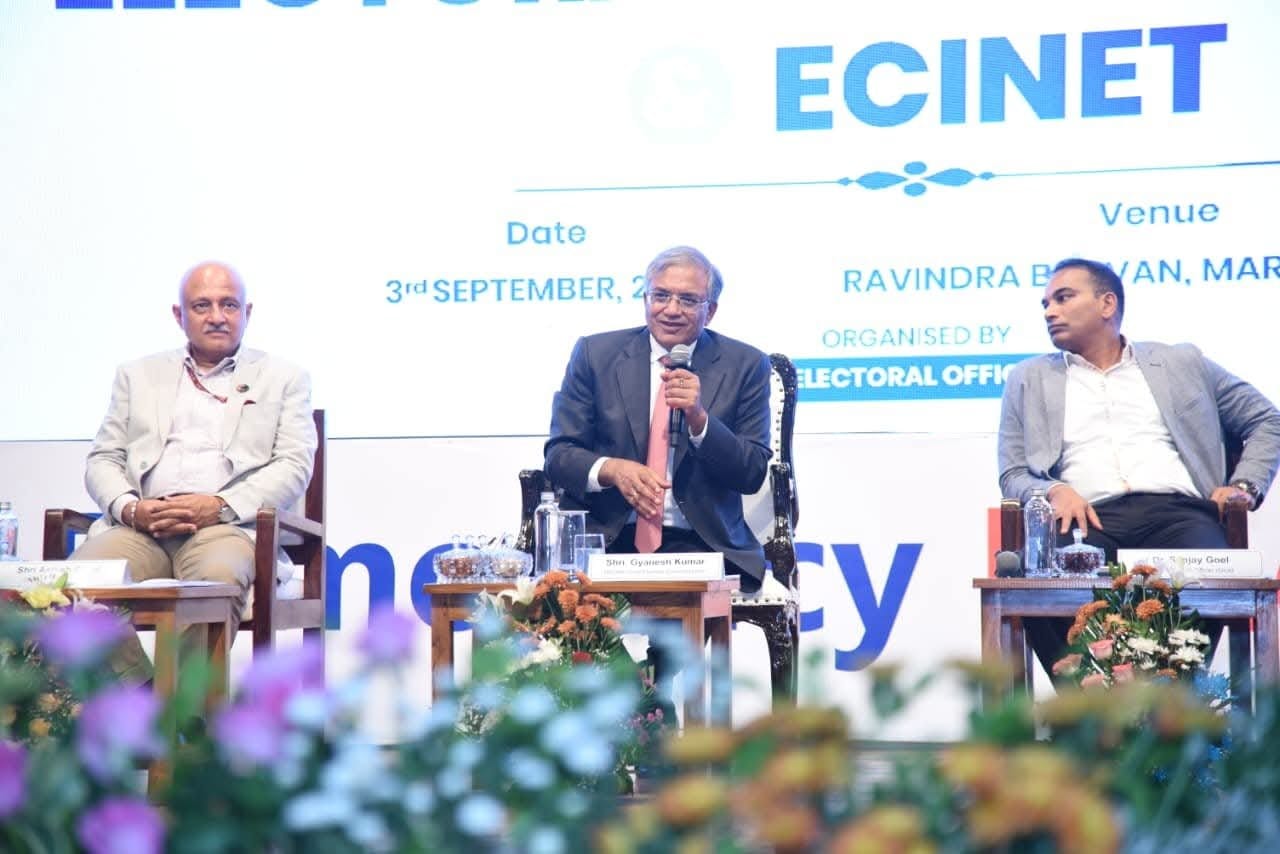
Kumar was speaking during an interaction with members of Electoral Literacy Clubs at Ravindra Bhavan, Margao, as part of an outreach programme focused on increasing voter participation.
Calling for an ambitious target, the CEC said Goa should strive for 95 per cent polling, stressing that high voter participation was important for a healthy democracy.
“If Goa promises 95 per cent polling, democracy will be more vibrant. It is immaterial who wins or loses in an election,” he said.
Kumar also sought commitments from election officials on improving turnout across the state. The North Goa Collector set a target of more than 90 per cent, while South Goa Collector Egna Cleetus committed to 94 per cent. The Kushavati district Collector set the highest target of 95 per cent.
The CEC pointed to West Bengal’s reported 93 per cent turnout following the Special Intensive Revision exercise and said Goa should not settle for a lower figure.
Kumar attributed the strong participation in West Bengal partly to the work of Booth Level Officers, who personally reached out to voters during the revision exercise. Such direct interaction, he said, helped voters feel recognised and encouraged them to turn up at polling stations.
The CEC also addressed concerns surrounding Electronic Voting Machines, describing them as “simple calculators” that cannot be connected to the internet or Bluetooth.
“They only tell us how many times a particular button has been pressed,” Kumar said, adding that EVMs had successfully withstood 41 tests conducted in the Supreme Court between 1996 and 2026.
On NOTA, Kumar explained that the option allows voters to reject all candidates on the ballot but does not result in NOTA being treated as a candidate or elected representative.
He also responded to questions about introducing educational qualifications for candidates. Kumar said current constitutional and electoral provisions do not prescribe such qualifications, and any change would require amendments to the relevant laws by Parliament.
Kumar chose not to comment on the ‘One Nation, One Election’ proposal, saying it would be premature to discuss the matter as the concept is not currently part of the Constitution.
On online voting, he said most democracies have not adopted the system and maintained that elections in India would continue to be conducted under the prevailing legal framework.