Team Goemkarponn
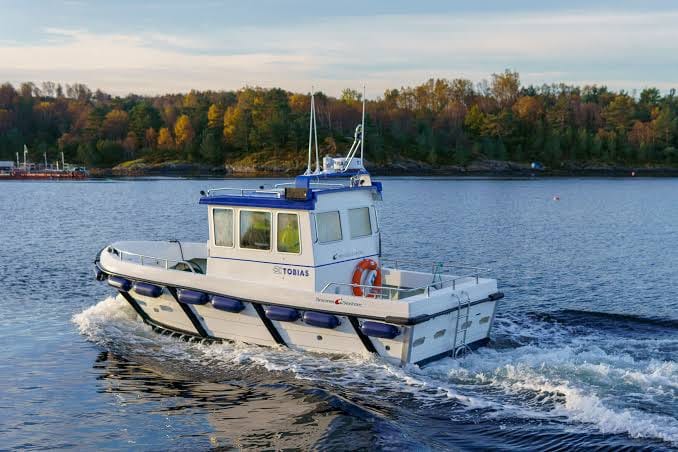
PANAJI: Goa is preparing to experiment with battery-powered fishing boats, with a new pilot programme set to bring 50 traditional canoes into the electric mobility fold and potentially eliminate the use of up to 42,000 litres of petrol in a fishing season.
The initiative is being coordinated by the Goa Energy Development Agency (GEDA), along with the Directorate of Fisheries and German development agency GIZ. Rather than immediately introducing the technology across the State, the pilot will be used to determine whether electric propulsion can meet the operational and financial needs of traditional fishermen.
The project is aimed at a fleet segment comprising around 1,700 registered canoes. These vessels generally range from 28 to 38 feet and are commonly fitted with outboard engines rated below 10 HP.
Project estimates indicate that a typical canoe makes one trip daily, covering roughly 12-13 km and consuming about three litres of petrol. Based on an average of 18-20 trips each month, an electric boat could avoid the consumption of approximately 350-420 litres of petrol over a six-to-seven-month fishing season.
For the 50 boats selected under the pilot, the projected seasonal fuel saving is estimated at 35,000-42,000 litres.
The programme is deliberately concentrating on smaller canoes rather than the larger trawler fleet. Officials will use the pilot to evaluate the reliability of electric propulsion in actual fishing conditions, along with battery performance, servicing requirements and the costs involved.
Participating boat owners will be provided with the necessary electric equipment, including a DC motor, marine-use battery bank, battery management system, charging equipment, spare components and monitoring systems.
Training will form another part of the initiative, with fishermen and boat operators receiving practical guidance on operating, maintaining and using the electric systems efficiently and safely.
GEDA is also expected to experiment with different payment and ownership models. These could include battery-swapping arrangements, pay-as-you-go systems and models based on either upfront capital expenditure or service payments.
To support the transition, the project proposes establishing shared charging facilities and electrifying jetties. A partial capital subsidy may also be offered to eligible fishermen to lower the initial investment required to convert their boats.
The project schedule envisages finalising the scheme and subsidy arrangements by October. Equipment installation, training and trial operations are planned from October through January 2027, followed by a performance assessment during February and March.
GEDA will oversee implementation, procurement, financial management, technical supervision and monitoring. The Fisheries Directorate will assist in selecting beneficiaries and locations, while GIZ will provide technical expertise, quality assurance and support for assessing the results.
The findings from the 50-canoe experiment are expected to determine how Goa can eventually expand electric propulsion to more traditional fishing boats, while addressing the practical challenges of charging, maintenance and financing.