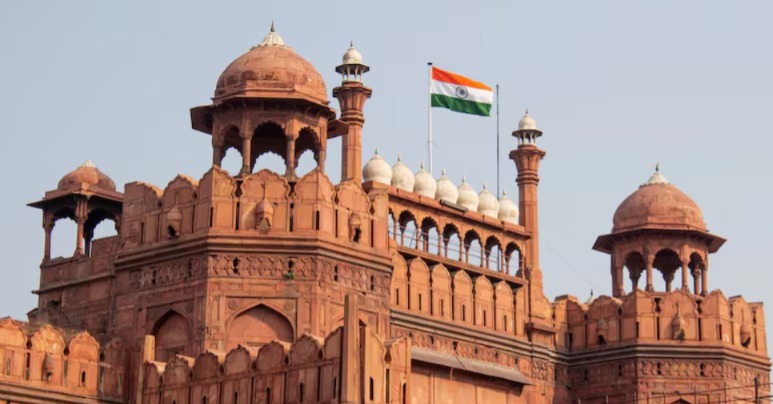
New Delhi: As India celebrates its 80th Independence Day on August 15, citizens across the country will proudly hoist the National Flag at homes, schools, offices and public institutions. The Tiranga is a symbol of the nation’s freedom, unity and sacrifice, and its display is governed by the Flag Code of India to ensure it is treated with the highest respect.
On Independence Day, the National Flag is hoisted from the bottom of the flagpole to the top, symbolising India’s emergence as a free nation in 1947. The flag should be hoisted briskly and lowered slowly with dignity. When displayed, the saffron band must always remain at the top, or on the left side when the flag is hung vertically. The Tricolour should be clean, undamaged and displayed in a prominent position without being overshadowed by any other flag or object.
Following the 2022 amendment to the Flag Code, individuals, private organisations and educational institutions are permitted to fly the National Flag on all days, including at night, provided it is properly illuminated. The flag may be made of cotton, polyester, wool, silk or khadi, while maintaining the prescribed 3:2 proportion.
The Flag Code also outlines several restrictions. The Tricolour must never be flown upside down or allowed to touch the ground, floor or water. It should not carry any writing or symbols, nor be used for commercial purposes, clothing below the waist, cushions, napkins or decorative drapery. Intentionally damaging, burning or mutilating the National Flag is a punishable offence under the Prevention of Insults to National Honour Act, 1971.
By following these guidelines, citizens honour the sacrifices of India’s freedom fighters and uphold the dignity of the nation’s most cherished symbol.