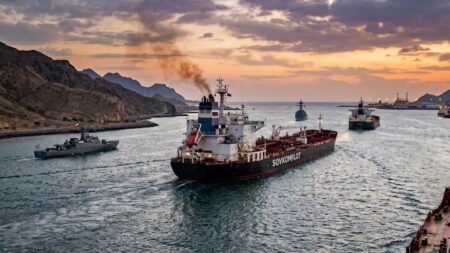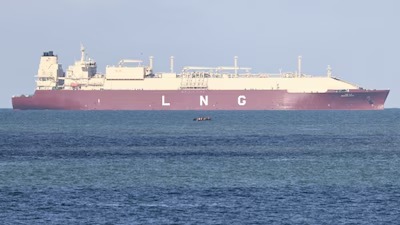
New Delhi: India has withdrawn the emergency restrictions imposed on natural gas supplies after liquefied natural gas (LNG) shipments through the strategically important Strait of Hormuz resumed following a ceasefire in West Asia. The decision comes as energy supplies have stabilised and maritime traffic through the key shipping route has returned to normal.
The temporary supply controls were introduced after tensions between the United States, Israel and Iran disrupted LNG movements. Several suppliers declared force majeure during the conflict, forcing authorities to prioritise natural gas distribution to essential sectors to ensure uninterrupted supplies.
Earlier this year, the Centre introduced the Natural Gas (Supply Regulation) Order, 2026, to regulate the production, allocation, distribution and consumption of natural gas, including LNG and regasified LNG. The measure was designed to ensure fair distribution and maintain adequate supplies during periods of uncertainty.
India remains heavily dependent on energy imports, sourcing nearly 88 percent of its crude oil requirements and around half of its natural gas from overseas markets. A significant share of these imports originates in West Asia, with approximately 40 to 45 percent of crude oil and nearly 65 percent of LNG supplies coming from the region. Most LNG shipments from Qatar pass through the Strait of Hormuz, making the route vital to India’s energy security.
Although India was able to diversify crude oil purchases during the disruption, natural gas imports remained vulnerable because of their dependence on the Strait of Hormuz, a passage that carries around one fifth of the world’s energy exports.
With the ceasefire leading to the resumption of shipping and ongoing diplomatic negotiations easing regional tensions, the government has now issued the Natural Gas (Supply Regulation) (Amendment) Order, 2026, withdrawing the emergency measures and restoring normal gas supply arrangements across the country.
Sorry, there was a YouTube error.