New Delhi: The Centre is set to introduce legislation that would give Vande Mataram, India’s National Song, the same legal protection currently provided to the National Anthem. The Union Cabinet has approved a proposal to amend the Prevention of Insults to National Honour Act, 1971, and the Bill is expected to be tabled during the Monsoon Session of Parliament beginning on July 20.
If passed by both Houses of Parliament and approved by the President, the amendment would make intentionally insulting or deliberately disrupting the singing of Vande Mataram a punishable offence. Those found guilty could face imprisonment of up to three years, a fine, or both, matching the penalties that currently apply to offences involving the National Anthem.
At present, the 1971 Act provides legal protection to the National Flag, the Constitution of India and the National Anthem. The proposed amendment seeks to bring the National Song within the scope of the same law, giving it explicit statutory protection for the first time.
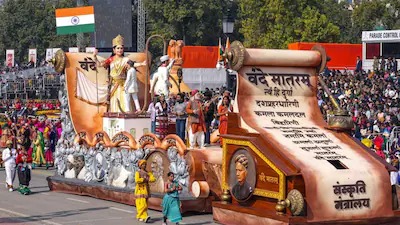
The move comes as part of the government’s broader initiative to commemorate 150 years of Vande Mataram and highlight its contribution to India’s freedom movement. Ministries, educational institutions and government organisations have been encouraged to organise programmes and public events celebrating the song’s historic role in inspiring the struggle for independence.
Written by Bankim Chandra Chattopadhyay in the 1870s and later published in the novel Anandamath in 1882, Vande Mataram became a powerful symbol of the freedom movement. It was formally recognised as India’s National Song by the Constituent Assembly on January 24, 1950, alongside the adoption of Jana Gana Mana as the National Anthem. Only the first two stanzas were granted official status.
The proposed amendment does not make singing Vande Mataram compulsory. Instead, it focuses on penalising deliberate acts of insult or obstruction during its rendition. As the Bill moves through Parliament, it is expected to spark debate over its legal implications, including questions relating to freedom of speech and freedom of conscience. Until it receives parliamentary approval and presidential assent, the proposal remains a draft law.
Sorry, there was a YouTube error.