Team Goemkarponn
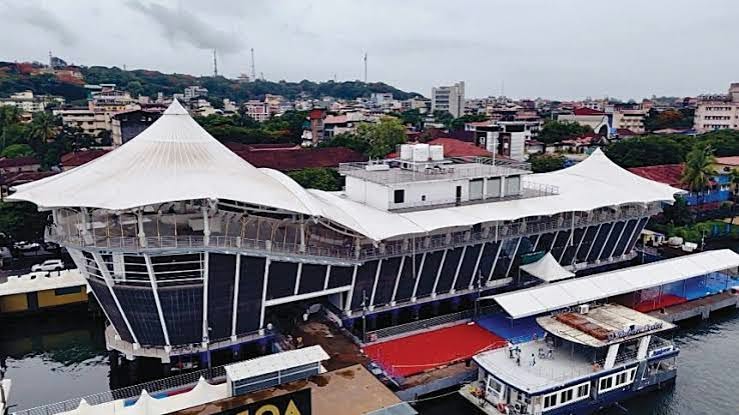
PANAJI: People for Panjim has urged the Goa government to dismantle the cafeteria and amphitheatre at the Captain of Ports (CoP) terminal on the Mandovi riverfront, while cautioning against any move to reintroduce the withdrawn tender for the facility’s operation and maintenance.
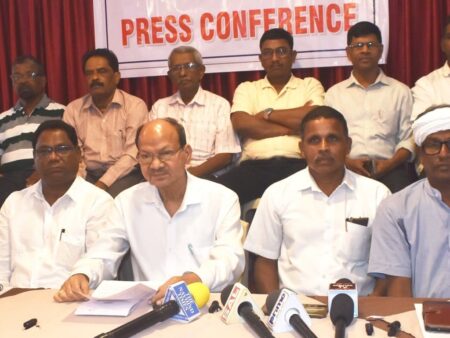
At a press conference on Sunday, members of the citizens’ collective said the structures had been built despite assurances reportedly given before the National Green Tribunal (NGT) that the proposals for the cafeteria and amphitheatre had been abandoned.
AAP Goa president Valmiki Naik, who is associated with the collective and was among those who challenged the terminal project, welcomed the government’s decision to withdraw the management tender. He, however, warned that the group would oppose any attempt to bring back a similar arrangement.
Naik said the collective was prepared to return to court if the government made another attempt to hand over the facility’s management to private operators.
People for Panjim referred to the NGT’s September 30, 2022, order, under which the Captain of Ports Department had reportedly stated that the proposed cafeteria and amphitheatre would not be taken forward.
The collective questioned why the structures were built subsequently and called for their demolition. It also sought clarification on the government’s plans for the terminal, amid concerns that a fresh tender could be issued in the future.
The group further demanded the removal of casino-related signboards and promotional material displayed on the building’s exterior. It also pressed for clear and continuous pedestrian access along Dayanand Bandodkar Marg, maintaining that the waterfront must remain accessible to the public.
Jack Sukhija, a councillor of the Corporation of the City of Panaji, also backed the withdrawal of the tender and raised concerns about the commercial use of public spaces along the Mandovi.
Sukhija said substantial portions of the riverfront had historically been acquired for public purposes, including sports and recreation. He argued that such land should continue to serve the needs of citizens instead of being increasingly directed towards commercial activities.
The dispute surrounding the ship-shaped terminal building has brought renewed attention to the use of public land along Panaji’s waterfront, compliance with environmental commitments and the balance between public access and commercial interests.