Team Goemkarponn
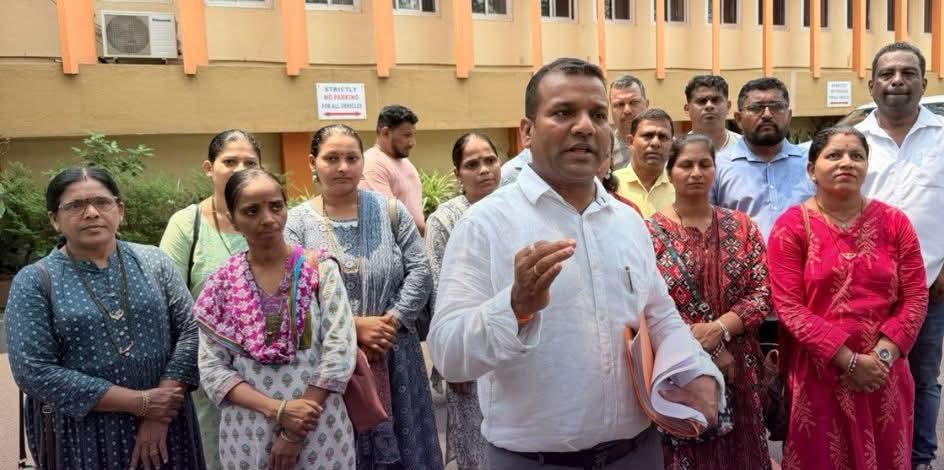
PANAJI: Contract workers associated with the Public Works Department (PWD) have intensified their demand for regularisation, submitting a formal memorandum to PWD Minister Digambar Kamat and the Principal Chief Engineer (PCE). The workers, many of whom have spent years in temporary roles, say they continue to be deprived of full service benefits despite limited provisions under the 6th Pay Commission.
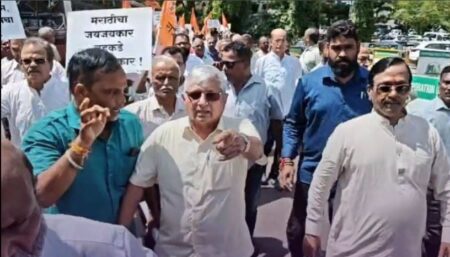
Announcing their next step, the workers said a शांत and non-disruptive protest will be held at Azad Maidan on May 1, with participation expected from more than 300 employees. They emphasized that the demonstration will be silent in nature, without slogans, and will not interfere with public movement.
A representative stated that the memorandum has already been submitted to the PCE and will also be presented to the minister, who has scheduled a meeting with the group at the Secretariat later in the day.
The workers highlighted that the issue extends beyond a single department, claiming that over 1,700 personnel across various government bodies—including PWD, Labour Societies, the RDA, and the Health Department—remain in temporary positions without basic employment security.
Several workers pointed out that some employees have spent over a decade and a half in service without being made permanent. Despite this, they said, they receive only partial financial benefits under the existing pay commission framework.
They also urged fellow contract workers not to rely solely on verbal assurances from authorities, cautioning that many employees have reached retirement age without securing permanent status.
Expressing frustration over repeated delays, the workers said they have engaged with the government on multiple occasions, including meetings with the Chief Minister and discussions during the budget period. However, they claim progress has been stalled due to what officials describe as “technical issues.”
With little movement on their demands, the workers indicated a shift toward formal and legal measures. They warned that if their representations continue to be overlooked, they are prepared to seek judicial intervention to secure their rights.