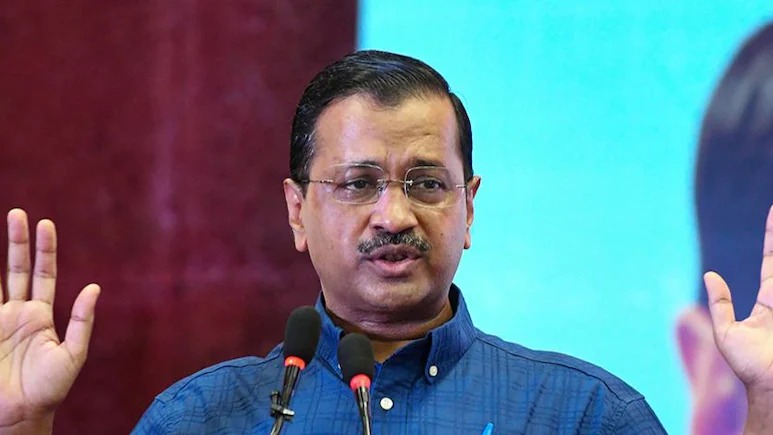
New Delhi: Arvind Kejriwal has written a detailed letter to a Delhi High Court judge, stating that he will no longer participate in proceedings related to the alleged liquor policy case. In the communication addressed to Justice Swarana Kanta Sharma, he expressed serious concerns about receiving a fair hearing while maintaining respect for the judiciary as an institution.
Kejriwal clarified that his decision was not driven by anger or disrespect but by what he described as a deep sense of unease about the impartiality of the proceedings. He emphasised that his faith in the judicial system remains intact, even as he raised doubts about fairness in this specific case.
The letter followed the rejection of his earlier request seeking the judge’s recusal. Kejriwal stated that the outcome of that application reinforced his apprehensions, leaving him with the impression that his concerns were viewed as a personal attack rather than a legal argument. He said this perception made it difficult for him to believe that the case would be heard with complete neutrality.
Referring to the teachings of Mahatma Gandhi, Kejriwal said he was guided by the principle of satyagraha, which calls for peaceful resistance after giving authorities an opportunity to address perceived injustice. He stated that after reflection, he had decided not to appear in court either personally or through legal representation.
Kejriwal also raised concerns about a potential conflict of interest, pointing to the professional engagements of the judge’s family members with government-related legal work. He argued that such circumstances could create public doubt about the fairness of proceedings, especially in a politically sensitive matter.
Acknowledging the implications of his decision, he said he was prepared to face any legal consequences that may arise. He added that his refusal to participate was limited to this case and did not extend to other matters before the court.
The development adds a new dimension to the ongoing legal and political battle, with broader questions being raised about judicial processes and public confidence in high-profile cases.