Team Goemkarponn
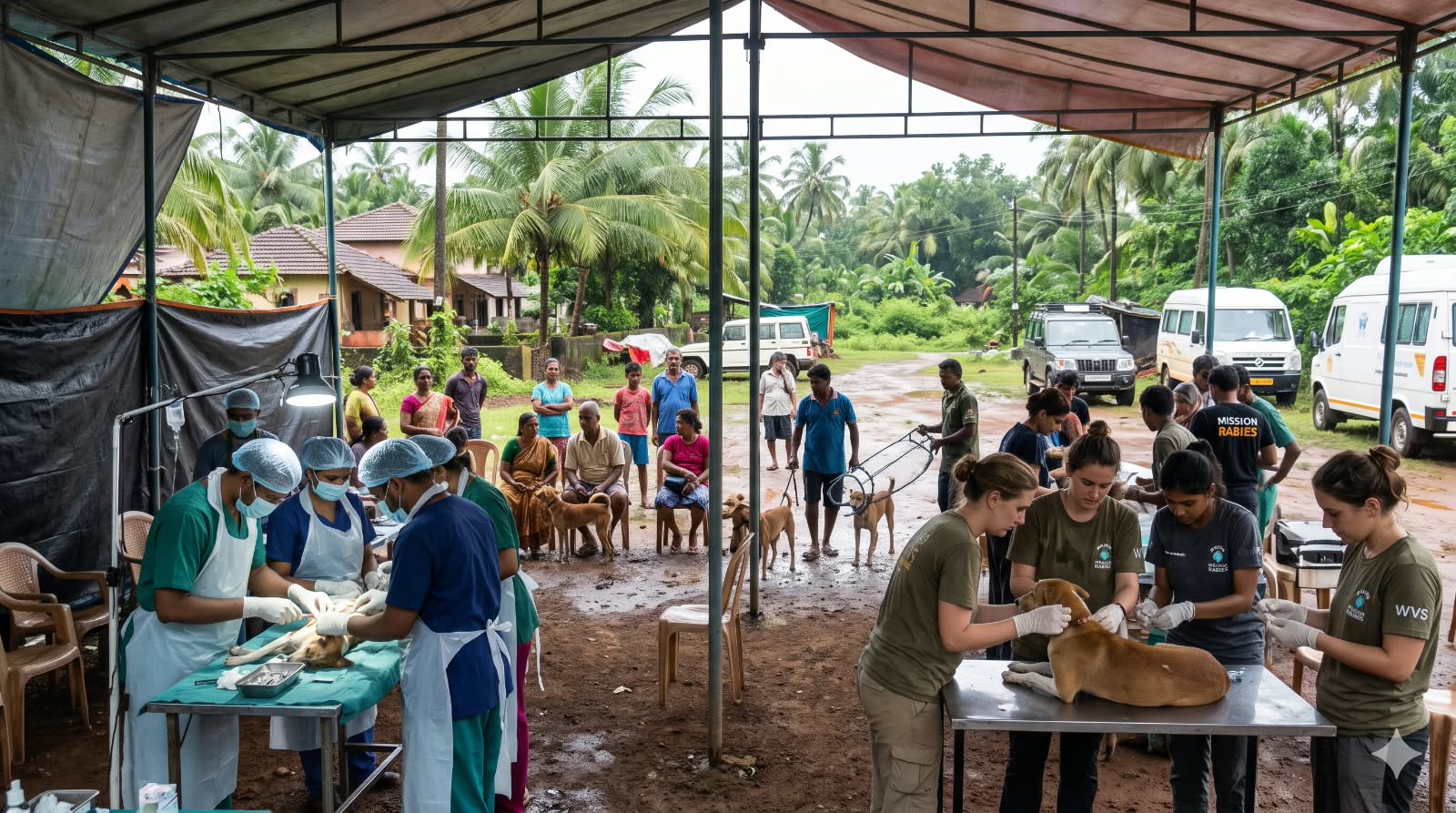
MARGAO: A month-long animal welfare campaign across four panchayats in South Goa has concluded after providing free sterilisation to 836 dogs and anti-rabies vaccinations to 914 animals. The initiative was jointly conducted by Worldwide Veterinary Service (WVS) and Mission Rabies.
The drive began on September 28, marking World Rabies Day, following its inauguration by Velim MLA Cruz Silva. Veterinary teams continued operations until October 24, reaching Assolna, Velim, Chinchinim and Ambelim.
The programme covered both household pets and free-roaming indigenous dogs, with organisers adopting separate arrangements to reach animals brought in by residents and those collected from public areas.
Dr Stacy Sequeira, Director of WVS HICKS Goa, said 132 dogs were presented by residents through pre-arranged appointments. The remaining 704 were brought to the facility by the campaign’s dog-catching team.
Interest in the initiative extended beyond the four targeted panchayats. Cavelossim and Sarzora also expressed interest in joining the effort, leading the organisers to expand their catching operations into these neighbouring areas.
The campaign relied on a 25-member workforce comprising veterinary surgeons, assistants, animal handlers, dog catchers and volunteers. The team managed the entire process, from capturing and handling the animals to performing surgeries and overseeing recovery.
Weather conditions posed a challenge towards the end of the programme. Following several weeks of high temperatures, heavy rain and sudden storms during the final week flooded the camp site. Sequeira said the team continued working through the difficult conditions and completed the campaign as scheduled.
She noted that effective dog population management requires consistent, localised intervention rather than isolated drives. Sterilisation helps limit unwanted breeding, while continued vaccination is essential to reducing the spread of rabies and safeguarding public health.
The organisers said offering both services at no cost was intended to make veterinary care accessible to a wider section of the community, including owners who might otherwise struggle to arrange treatment for their pets.
The campaign also highlighted the importance of cooperation between animal welfare organisations, veterinary teams and local residents in promoting humane dog population management and safer communities.