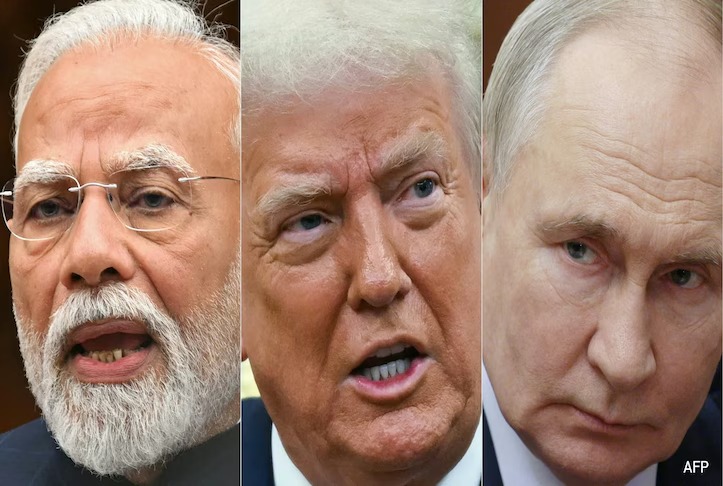
New Delhi: The US Senate has passed a sweeping Russia sanctions bill that could pave the way for tariffs of up to 100 percent on countries that remain among the largest purchasers of Russian oil and natural gas, including India and China.
The legislation was approved by an overwhelming 86 to 11 vote, reflecting broad bipartisan support for tougher measures against Moscow over the continuing Ukraine conflict. The bill will now move to the House of Representatives for consideration when it reconvenes on August 31.
The proposed legislation would give US President Donald Trump authority to impose tariffs on the top five buyers of Russian oil or natural gas. India and China are currently among the countries that could face such measures.
Other countries identified among the leading importers include Azerbaijan, Hungary and Slovakia.
The bill also contains exemptions for countries that source less than 15 percent of their natural gas from Russia and are taking steps to reduce their dependence on Russian energy.
If enacted, the legislation would significantly expand the economic pressure on Russia and countries continuing to purchase its energy exports.
Beyond potential tariffs, the bill proposes additional sanctions targeting senior Russian political and military figures, financial institutions and energy projects.
It also seeks to strengthen restrictions against older and reflagged oil tankers allegedly used by Moscow to bypass existing sanctions and maintain energy revenues.
The US president would retain the authority to waive certain sanctions if it is determined that doing so serves the national interest, subject to certification to Congress.
The legislation also extends the validity of the Iran Sanctions Act of 1996 until 2031. The law targets companies that invest in Iran’s energy sector.
The bill’s passage could create fresh diplomatic and economic challenges for India, which has significantly increased its purchases of Russian crude in recent years. Its next major hurdle will be approval by the US House before it can reach the president for final consideration.
Sorry, there was a YouTube error.