New Delhi: More than 180 Indian scientists and ecologists have issued an urgent call for policymakers and researchers to prepare for the potentially wide-ranging effects of a strengthening El Niño, warning that the climate event could affect ecosystems, agriculture, water resources and livelihoods across the country.
The appeal, signed by 188 members of India’s ecological research community, calls for stronger monitoring and long-term studies to document how the 2026-27 El Niño affects marine, freshwater and terrestrial ecosystems.
The warning comes as El Niño continues to intensify over the equatorial Pacific. The US National Oceanic and Atmospheric Administration’s Climate Prediction Center said there is a 75% chance that the October-December 2026 event could reach historic strength, exceeding the intensity of El Niño events recorded since 1950. It also put the probability of a very strong event during the Northern Hemisphere autumn and winter at more than 90%.
For India, the effects could extend beyond the southwest monsoon. Scientists have warned of increased heat and rainfall stress, reduced soil moisture and pressure on water storage and agricultural systems. The ecological effects could also include changes in plant growth, fruiting patterns and animal behaviour.
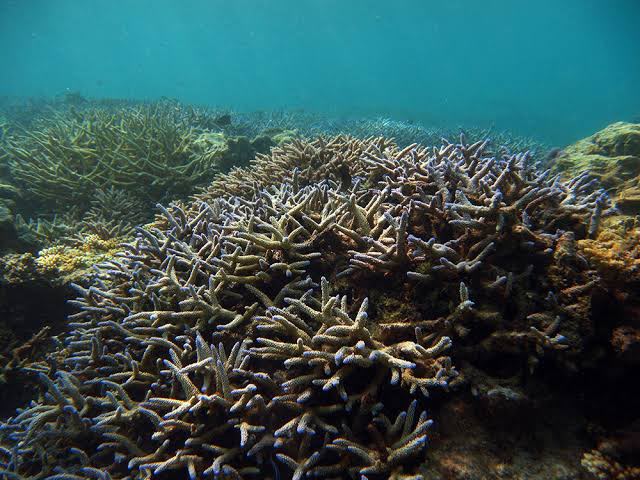
Marine ecosystems face additional risks. Strong El Niño conditions can contribute to marine heatwaves and coral bleaching, placing further stress on coral reefs and other marine species. Scientists have pointed to the limited recovery time available to reefs following previous major bleaching events.
Tropical forests could also come under pressure as higher temperatures and prolonged dry periods affect trees and other vegetation. Large trees may be particularly vulnerable to extended drought conditions.
The scientists have urged researchers to strengthen field monitoring, share data and work across disciplines to document ecological changes as they occur.
With NOAA forecasting continued strengthening of El Niño through the end of 2026, the appeal stresses that the coming months provide an important opportunity to improve preparedness and understand how India’s ecosystems respond to an unusually strong climate event.