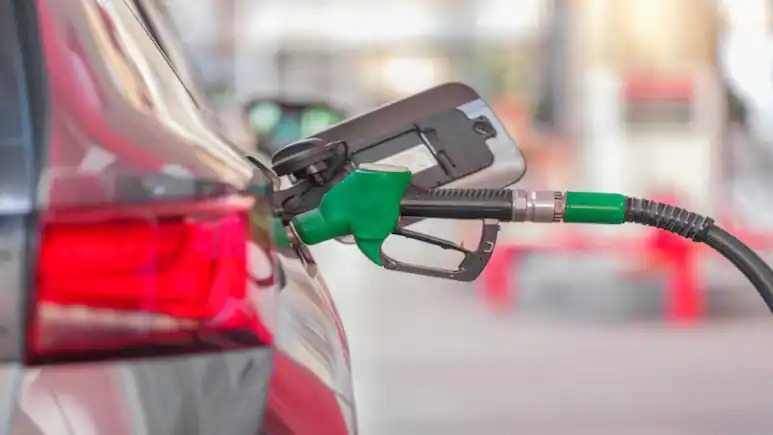
New Delhi: The Centre has extended excise duty exemptions to higher ethanol-blended petrol grades, a move aimed at preventing double taxation on fuel blending activities and facilitating the future adoption of higher ethanol-content fuels.
The Central Board of Indirect Taxes and Customs (CBIC) has issued notifications exempting ethanol-blended petrol grades E22, E25, E27 and E30 from central excise duties, provided excise duty has already been paid on petrol and Goods and Services Tax (GST) has been paid on the ethanol used in the blend.
According to government officials, the exemption addresses a technical issue under the Central Excise law, where blending ethanol with petrol is classified as a manufacturing activity. Without the exemption, the final blended fuel could attract excise duty once again, resulting in double taxation despite taxes already being paid on the individual components.
The government clarified that similar exemptions already exist for ethanol-blended petrol grades such as E5, E10 and E20. Extending the same treatment to higher blends ensures consistency in taxation and does not amount to a reduction in excise duty on petrol sold in the domestic market.
Officials stressed that the notification should not be viewed as an immediate rollout of higher ethanol blends across the country. Instead, it is a regulatory step required to enable future adoption of such fuels. Any introduction of E22, E25, E27 or E30 in the retail market will be subject to extensive testing, consultations and policy decisions.
The development comes shortly after the Bureau of Indian Standards (BIS) issued standards for the higher ethanol blends in May 2026. The excise duty exemption, which came into effect on June 10, aligns the tax framework with these new fuel specifications.
India has significantly expanded its ethanol blending programme over the past decade as part of efforts to reduce dependence on imported crude oil, lower carbon emissions and boost farmers’ incomes. Ethanol blending levels have increased from 1.53 per cent in 2014-15 to 20 per cent in 2025-26.
Government data shows the programme has generated payments of around Rs 1.62 lakh crore for farmers, saved more than Rs 1.91 lakh crore in foreign exchange through lower crude imports, and helped reduce carbon dioxide emissions by an estimated 93.1 million tonnes.
Sorry, there was a YouTube error.