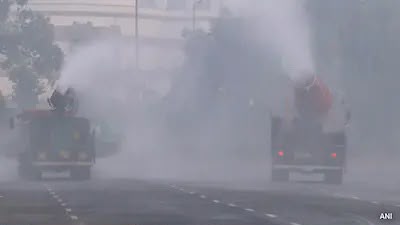
New Delhi: Delhi continued to battle dangerous air pollution on Saturday morning, a day before Diwali, with the overall Air Quality Index (AQI) reaching 364 at 8 am. The reading placed the national capital in the ‘very poor’ category, while several monitoring stations reported ‘severe’ pollution levels.
According to Central Pollution Control Board (CPCB) data, IIT Delhi recorded an AQI of 443, followed by Punjabi Bagh at 433 and Narela at 409. All three locations fell into the severe category. Cantonment Area recorded 315, Dhaula Kuan registered 318, while Anand Vihar reported 272.
The city’s overall reading showed a slight improvement compared to Friday morning, when the AQI stood at 389. Misty conditions were reported around Safdarjung early Saturday, with the temperature recorded at 17 degrees Celsius at 5:30 am.
The deteriorating air quality comes after authorities activated Stage III of the Graded Response Action Plan (GRAP) across Delhi-NCR to prevent pollution levels from worsening further ahead of Diwali.
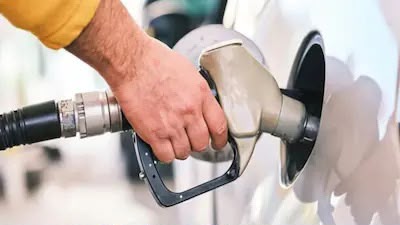
Under Stage III, several additional restrictions have been introduced alongside existing pollution-control measures. These include a ban on BS-III petrol and BS-IV diesel four-wheelers in Delhi and designated NCR areas, along with restrictions on older commercial vehicles.
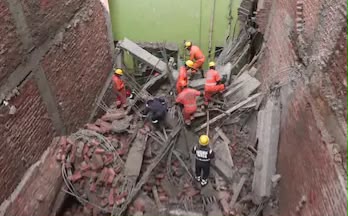
Non-essential construction activities, including demolition, excavation, earthwork and major road construction, have also been suspended. Stone crushers and mining operations face restrictions to reduce dust and particulate emissions.
Authorities have been advised to consider hybrid classes for primary school students up to Class 5 to limit their exposure to polluted air.
Public transport services are also being strengthened through additional Metro trips and buses to encourage commuters to reduce private vehicle usage.
GRAP is a four-stage emergency framework designed to control pollution across Delhi and neighbouring districts of Haryana, Uttar Pradesh and Rajasthan. Restrictions become progressively stricter as air quality deteriorates.
Stage III aims to prevent pollution from reaching the more dangerous Stage IV level, which involves additional emergency restrictions on commercial vehicles, traffic and industrial activities.
With Diwali approaching, authorities are continuing efforts to control emissions and dust while monitoring pollution levels across the region.