New Delhi: The Delhi Cabinet has approved the Delhi EV Policy 2026, reinforcing the national capital’s commitment to an electric-only transport future by excluding incentives for strong hybrid vehicles and focusing entirely on battery electric mobility.
The policy comes into effect from July 1, 2026, and will remain in force until March 31, 2030. It outlines an ambitious strategy to accelerate EV adoption through purchase subsidies, tax exemptions, scrapping incentives and large-scale investments in charging infrastructure.
One of the biggest changes from the draft version is the removal of proposed benefits for hybrid cars. The earlier proposal had suggested a 50 per cent exemption on road tax and registration fees for strong hybrids priced below Rs 30 lakh. The final policy, however, limits support exclusively to zero emission vehicles.
The roadmap also introduces phased registration deadlines for various vehicle categories. From January 1, 2027, only electric passenger and goods three wheelers will be registered in Delhi, while from April 1, 2028, registrations for new two wheelers will be restricted to electric models.
To encourage adoption, electric cars priced up to Rs 30 lakh will receive a complete waiver on road tax and registration charges. Buyers scrapping older BS IV or earlier vehicles and replacing them with electric cars can receive incentives of up to Rs 1 lakh.
Purchase subsidies have also been announced for electric two wheelers, three wheelers and goods carriers, alongside additional incentives linked to scrapping old vehicles.
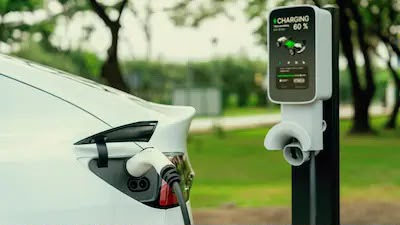
The government plans to invest nearly Rs 15,000 crore over the next four years to develop charging infrastructure, including more than 30,000 charging points across the city, as part of its broader goal of making Delhi largely pollution free by 2030.